Las Terrenas 2026: Best Beaches, Coastal Scenery & Ocean Conservation
Las Terrenas is one of the most beautiful coastal destinations in the Dominican Republic. Located on the northeastern Samaná Peninsula, this charming seaside town is known for its white-sand beaches, palm trees, turquoise coastal scenery, and multicultural atmosphere.
From the picturesque coastline of Playa Bonita to the long sandy shores of Playa Cosón, Las Terrenas offers a variety of landscapes that showcase the natural beauty of the Caribbean.
Beyond its beaches, the destination also has an interesting cultural identity, a connection to traditional fishing communities, and a valuable coastal environment that deserves protection.
This 2026 guide explores the best-known beaches of Las Terrenas, their distinctive characteristics, the surrounding natural environment, and the importance of responsible coastal tourism.
1. Where Is Las Terrenas Located?
Las Terrenas is a coastal town in Samaná Province, located on the northeastern coast of the Dominican Republic.
It forms part of the Samaná Peninsula, a region recognized for its tropical forests, mountains, beaches, waterfalls, and coastal communities.
Las Terrenas developed from a small fishing settlement into an internationally recognized beach destination.
Today, the town combines traditional Dominican culture with international influences, creating a distinctive atmosphere.
Its main geographical characteristics include:
- Long sandy beaches
- Coconut palm vegetation
- Tropical coastal landscapes
- Rocky coastal formations
- Nearby hills and valleys
- Marine and coastal ecosystems
- Traditional fishing communities
The combination of natural scenery and cultural diversity makes Las Terrenas an important destination within the Samaná Peninsula.
2. Playa Bonita: One of the Most Beautiful Beaches
Playa Bonita is one of the best-known beaches in Las Terrenas.
Its name means Beautiful Beach in Spanish, and its scenery explains why it is frequently mentioned among the region's most attractive coastal locations.
The beach features golden sand, tropical vegetation, palm trees, and a picturesque coastline.
What Makes Playa Bonita Special?
Playa Bonita is recognized for its combination of natural beauty and relaxed coastal atmosphere.
Its landscape includes:
- Golden sandy shoreline
- Coconut palm trees
- Tropical vegetation
- Coastal accommodation
- Beautiful sunset scenery
- Views of the surrounding coastline
The beach has a distinctive appearance because of its combination of green vegetation and open ocean views.
Photography at Playa Bonita
The natural landscape provides excellent subjects for photography.
Some popular photography themes include:
- Palm trees along the beach
- Golden sand and turquoise water
- Coastal vegetation
- Sunset colors
- Tropical architecture
Playa Bonita is particularly attractive to visitors interested in Caribbean landscape photography.
3. Playa Cosón: A Long and Scenic Coastal Landscape
Playa Cosón is another famous beach located west of Las Terrenas.
It is known for its extensive sandy shoreline, coconut palms, open coastal views, and relatively natural atmosphere.
Compared with the more developed areas near the town center, Playa Cosón has a spacious landscape with fewer concentrated buildings along parts of its coastline.
Natural Characteristics
Playa Cosón features:
- Long golden-sand beaches
- Coconut palm trees
- Green coastal surroundings
- Open Atlantic Ocean views
- Natural coastal vegetation
- A relatively spacious landscape
Its long shoreline makes it an interesting destination for appreciating the geographical scale of the Samaná Peninsula.
Playa Cosón and Coastal Photography
The beach offers a variety of landscape photography opportunities.
The contrast between golden sand, green palms, and blue water creates attractive natural compositions.
The changing light throughout the day also gives the landscape different appearances.
4. Playa Las Ballenas: A Beach Near the Town Center
Playa Las Ballenas is one of the most recognizable beaches in central Las Terrenas.
Its name comes from three rocky formations in the distance that resemble the shape of whales.
The beach is known for its white sand, coastal scenery, and convenient position near the town.
Main Features
Playa Las Ballenas is characterized by:
- Wide sandy shoreline
- White and light-colored sand
- Views of offshore rock formations
- Nearby hotels and accommodation
- Tropical coastal scenery
- A connection with the town's waterfront
Its location makes it an important part of Las Terrenas's coastal identity.
The Meaning Behind Its Name
The Spanish word "ballenas" means whales.
The name refers to the appearance of the offshore rock formations rather than the presence of actual whales.
This small geographical detail makes the beach particularly interesting to visitors learning about the area's local identity.
5. Punta Popy: A Recognizable Beach in Las Terrenas
Punta Popy is another popular coastal area in Las Terrenas.
It is recognized for its palm-lined shoreline, white sand, and lively atmosphere.
The beach is closely connected to the town's tourism development and coastal lifestyle.
Natural Landscape
Punta Popy features:
- White sandy shoreline
- Large coconut palm trees
- Coastal vegetation
- Open ocean scenery
- Nearby accommodation and restaurants
Its tropical appearance makes it one of the most recognizable coastal settings in the town.
Cultural Atmosphere
Punta Popy also reflects the multicultural character of Las Terrenas.
The surrounding area includes a mixture of Dominican and international influences, which contribute to the destination's distinctive identity.
6. Playa Portillo: Tropical Scenery and Coastal Vegetation
Playa Portillo is located toward the eastern side of Las Terrenas.
It is known for its sandy coastline, tropical vegetation, and surrounding accommodation.
The area provides another example of the variety of coastal landscapes found across the Samaná Peninsula.
Main Characteristics
- Soft sandy shoreline
- Coconut palms
- Coastal vegetation
- Tropical scenery
- Nearby villas and accommodation
- Views across the Caribbean coastal environment
Playa Portillo contributes to the diversity of beaches associated with Las Terrenas.
7. Comparing the Main Beaches of Las Terrenas
Each beach has its own geographical characteristics and atmosphere.
BeachMain CharacteristicGeneral AtmospherePlaya BonitaGolden sand and palm treesScenic and relaxedPlaya CosónLong sandy shorelineSpacious and naturalPlaya Las BallenasCentral location and offshore rocksConvenient and developedPunta PopyPalm-lined coastal settingLively and socialPlaya PortilloTropical vegetation and sandy coastRelaxed and scenic
These differences make Las Terrenas an interesting destination for visitors who appreciate varied coastal landscapes.
8. The Marine Environment of Las Terrenas
The coastal environment around Las Terrenas is part of a larger marine ecosystem connected to the Atlantic Ocean.
Its waters and surrounding habitats support different forms of marine life.
Coral Reefs
Coral reefs are important ecosystems found in many tropical marine environments.
They provide habitats for fish and other marine organisms.
Coral communities also contribute to biodiversity and natural coastal protection.
However, reefs are sensitive to environmental changes, pollution, and physical damage.
Marine Biodiversity
The wider Samaná region supports numerous marine organisms.
These include:
- Tropical fish
- Marine invertebrates
- Sea turtles
- Seabirds
- Other coastal wildlife
Each group plays a role in maintaining the ecological balance of marine environments.
Coastal Vegetation
Plants growing along the coastline help stabilize sandy areas and provide habitats for small wildlife.
They also contribute to the natural appearance of the beaches.
Protecting coastal vegetation is an important part of maintaining healthy beach environments.
9. Understanding Ocean and Weather Conditions
Las Terrenas faces the Atlantic side of the Dominican Republic.
Therefore, ocean conditions can vary depending on weather, seasonal changes, wind, and other natural factors.
The appearance of the water is not always the same throughout the year.
Some days may feature relatively calm-looking coastal scenery, while other periods may bring stronger waves and changing water conditions.
Visitors should understand that attractive beach photographs do not necessarily represent current ocean conditions.
Weather and sea conditions are natural factors that can change quickly.
Respecting local safety information and beach regulations is essential.
10. The Best Time to Appreciate Las Terrenas
Las Terrenas has a tropical climate with warm temperatures throughout the year.
However, seasonal weather patterns can influence the appearance of its beaches and surrounding landscapes.
December to April
This period is generally associated with relatively drier weather.
It is also a popular season for visitors interested in Caribbean scenery and outdoor sightseeing.
May to June
The landscape can become particularly green as rainfall contributes to tropical vegetation.
The region continues to experience warm temperatures.
July to September
These months are part of the warmer and wetter tropical period.
Weather conditions may vary, so checking local forecasts is important.
October to November
Rainfall patterns continue to influence the appearance of the surrounding environment.
The coastal landscape remains an important feature of Las Terrenas throughout the year.
11. Local Culture and Coastal Life in Las Terrenas
Las Terrenas has a distinctive cultural identity shaped by its history as a fishing settlement and its later development as an international tourism destination.
The town combines Dominican traditions with influences from several international communities.
Traditional Fishing Heritage
Fishing has historically played an important role in the development of Las Terrenas.
The relationship between the community and the sea remains part of the town's identity.
Pueblo de los Pescadores
Pueblo de los Pescadores is one of the recognizable landmarks in Las Terrenas.
Its name translates to Fishermen's Village.
The area reflects the town's maritime history and the transformation of its traditional coastal architecture.
Local Food Culture
Las Terrenas has a varied food culture influenced by Dominican and international traditions.
Seafood, tropical fruits, rice-based dishes, and traditional Dominican meals are important parts of the local culinary identity.
Multicultural Community
The town has attracted residents and visitors from different countries.
This has contributed to its international character while maintaining its connection to Dominican culture.
12. Responsible Coastal Tourism in Las Terrenas
Las Terrenas depends heavily on the natural beauty of its coastal environment.
Protecting its beaches, marine ecosystems, and surrounding vegetation is important for the long-term sustainability of the destination.
Responsible tourism can contribute to environmental protection through several simple practices.
Keep Beaches Clean
Plastic waste and other rubbish can damage coastal ecosystems.
Visitors should dispose of waste responsibly and avoid leaving rubbish on the beach.
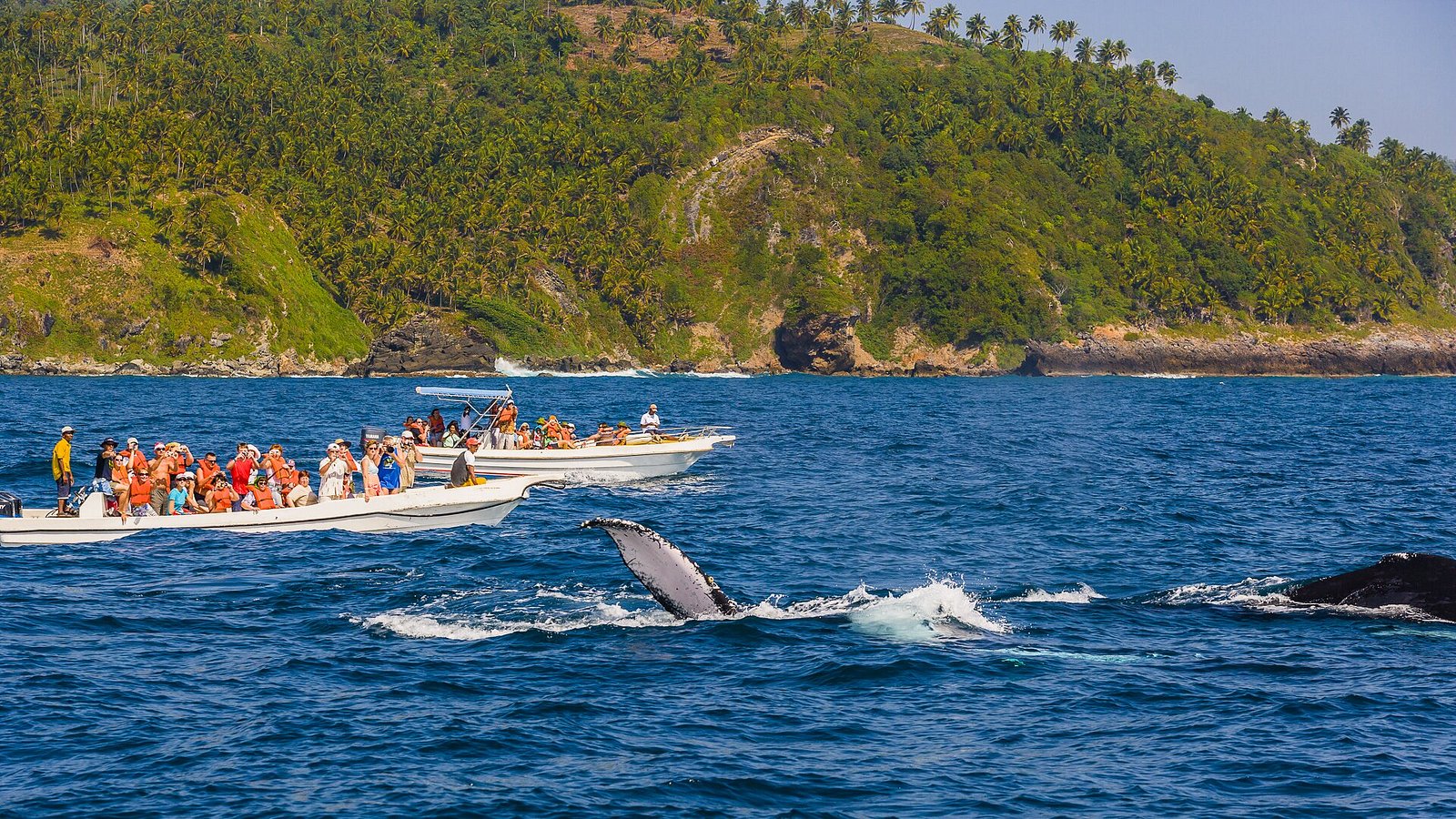
Protect Marine Wildlife
Marine animals should be observed respectfully.
Wildlife should never be disturbed, chased, handled, or fed.
Respect Coastal Vegetation
Palm trees and other coastal plants contribute to the stability and ecological value of beach environments.
Avoid damaging plants or removing natural vegetation.
Protect Coral Reefs
Coral reefs are sensitive ecosystems.
Reducing pollution and preventing physical damage are important ways to support reef conservation.
Respect Local Communities
Visitors should respect local traditions, public spaces, and community activities.
Supporting responsible local businesses can also contribute to sustainable tourism.
13. Photography and Scenic Views in Las Terrenas
Las Terrenas is an excellent destination for people interested in tropical landscape photography.
Its coastline offers several distinctive photographic subjects.
Popular Photography Themes
- Palm-lined sandy beaches
- Golden coastal landscapes
- Turquoise ocean views
- Tropical vegetation
- Rocky offshore formations
- Traditional fishing boats
- Colorful local architecture
- Sunset scenery
Each beach has its own photographic character.
Playa Bonita offers attractive palm-lined scenery, while Playa Cosón is known for its spacious natural coastline.
Playa Las Ballenas provides interesting views of the offshore rock formations that inspired its name.
14. Frequently Asked Questions
What is Las Terrenas famous for?
Las Terrenas is famous for its white-sand beaches, tropical scenery, multicultural atmosphere, coastal restaurants, and beautiful landscapes on the Samaná Peninsula.
What are the best-known beaches in Las Terrenas?
Some of the best-known beaches include Playa Bonita, Playa Cosón, Playa Las Ballenas, Punta Popy, and Playa Portillo.
Where is Playa Bonita located?
Playa Bonita is located west of the central area of Las Terrenas, on the Samaná Peninsula in the Dominican Republic.
Why is Playa Las Ballenas called that?
Its name means Whale Beach in Spanish. It refers to three offshore rocky formations that resemble whales.
What makes Playa Cosón special?
Playa Cosón is recognized for its long golden-sand shoreline, coconut palms, and spacious natural coastal scenery.
Is Las Terrenas a tropical destination?
Yes. Las Terrenas has a tropical climate, warm temperatures, coastal vegetation, and beautiful Caribbean scenery.
What is Pueblo de los Pescadores?
Pueblo de los Pescadores is a well-known area in Las Terrenas associated with the town's traditional fishing heritage and coastal development.
Why is ocean conservation important in Las Terrenas?
Healthy coastal and marine ecosystems support biodiversity, protect natural landscapes, and contribute to the long-term sustainability of the region's tourism economy.
What is the best time to appreciate Las Terrenas?
December through April is generally associated with drier weather, although Las Terrenas can be appreciated throughout the year.
15. Final Thoughts
Las Terrenas is one of the Dominican Republic's most attractive coastal destinations.
Its beautiful beaches, tropical vegetation, multicultural atmosphere, and connection to the Atlantic Ocean create a distinctive Caribbean experience.
From the golden sands of Playa Bonita and Playa Cosón to the recognizable coastal formations of Playa Las Ballenas, every part of the coastline contributes to the natural identity of the town.
Beyond its scenic beauty, Las Terrenas also represents the importance of protecting coastal ecosystems and supporting responsible tourism.
For visitors exploring the Samaná Peninsula in 2026, discovering the beaches and appreciating their natural environment is an excellent way to understand what makes Las Terrenas special.

Local explorer & expert guide in Reservando Aventuras.