Dominican Culture and Traditions in Samaná: A Living Heritage
The Samaná Peninsula is one of the most culturally distinctive regions of the Dominican Republic. Beyond its beautiful beaches, green mountains and coastal scenery, Samaná has a fascinating history shaped by Indigenous communities, African heritage, African-American migration and Caribbean influences.
These different cultural backgrounds have helped create a local identity that is reflected in the region's food, music, architecture, religious traditions, celebrations and everyday community life.
From the historic wooden structure of La Churcha to traditional coconut-based dishes and the colourful celebrations of local communities, Samaná offers visitors an opportunity to discover a different side of Dominican culture.
In this guide, we explore the Dominican culture and traditions in Samaná, including its historical roots, traditional food, music, festivals, architecture and the importance of preserving this living heritage.
1. The Cultural Identity of Samaná
Samaná has a multicultural identity that makes it different from many other regions of the Dominican Republic.
Its cultural development has been influenced by several communities throughout history. These include the Indigenous Taíno population, African descendants, Spanish settlers, freed African Americans and immigrants from English-speaking Caribbean islands.
Each group contributed traditions, customs and cultural expressions that became part of the region's identity.
A Meeting Point of Different Cultures
The history of Samaná reflects centuries of migration and cultural exchange.
Some of its most important influences include:
- Taíno heritage: Indigenous cultural traditions and historical connections to the Caribbean.
- African heritage: Cultural influences reflected in music, food, community traditions and celebrations.
- African-American heritage: Traditions introduced by freed African Americans who arrived in Samaná during the nineteenth century.
- Spanish influence: Language, architecture, religious customs and wider Dominican traditions.
- Caribbean migration: Contributions from immigrants originating from English-speaking Caribbean islands.
These influences did not simply exist separately. Over generations, they interacted and developed into a distinctive regional culture.
Why Is Samaná Culturally Unique?
One of the most interesting characteristics of Samaná is its multicultural and multilingual history.
English and Spanish have both played important roles in the region's cultural development. Religious traditions, family histories and local food also reflect connections with different parts of the Caribbean and North America.
This cultural diversity makes Samaná an important destination for visitors interested in understanding the historical richness of the Dominican Republic.
2. The African-American Heritage of Samaná
One of the most significant chapters in Samaná's history began in 1824, when groups of freed African Americans arrived in the region.
Their migration was encouraged by the policies of the Haitian administration governing the island at that time.
Many settlers came from communities in the United States, including Philadelphia and other parts of the northeastern United States.
They brought their language, religious practices, educational traditions, family customs and cultural knowledge.
How Did They Influence Samaná?
The African-American settlers made lasting contributions to local society.
Their influence can be seen in several aspects of everyday life:
Language
English became an important part of the cultural identity of some Samaná families. Descendants maintained connections with English-language religious and community traditions.
Religion
Protestant Christian traditions, particularly Methodist and African Methodist Episcopal influences, became important within parts of the community.
Architecture
Historic wooden church architecture reflects connections with architectural styles associated with North America and the wider English-speaking world.
Food
Traditional breads, coconut-based recipes and other culinary practices became part of Samaná's distinctive food culture.
Education and Community Life
The settlers also contributed to educational and community institutions, helping shape the region's social history.
A Heritage Passed Between Generations
Today, the descendants of these communities continue to preserve important parts of their cultural identity.
Family histories, religious traditions, traditional recipes and community celebrations help keep this heritage alive.
The arrival of freed African Americans in 1824 remains an important historical milestone in Samaná.
3. La Churcha: A Symbol of Samaná's Cultural Heritage
La Churcha, also known as St. Peter's Church, is one of the most recognisable cultural landmarks in Santa Bárbara de Samaná.
It represents the historical and spiritual legacy of the African-American community that settled in the region during the nineteenth century.
The History of La Churcha
The church's history is closely connected with the arrival of freed African Americans in Samaná in 1824.
The present wooden structure was shipped from England in 1901 and reflects Victorian architectural influences.
Its distinctive design makes it an important example of the region's historical architecture.
Architectural Features
La Churcha is recognised for several distinctive characteristics:
- Traditional wooden construction.
- Victorian-inspired architectural details.
- Decorative exterior woodwork.
- A distinctive tower and roofline.
- Historical religious significance.
The building stands out among the surrounding urban architecture of Santa Bárbara de Samaná.
Why Is La Churcha Important?
La Churcha is more than a historic religious building.
It represents the cultural continuity of the African-American community and its contribution to Samaná.
Religious services continue to connect the church with local community life, and services may be held in English and Spanish.
For visitors interested in history and architecture, La Churcha provides a meaningful opportunity to understand an important part of Samaná's identity.
4. Traditional Dominican Food and Samaná's Culinary Heritage
Food is one of the strongest expressions of Samaná's cultural identity.
The region's cuisine reflects its coastal environment, agricultural traditions and multicultural history.
Coconut is particularly important in local cooking. It appears in savoury meals, traditional breads and sweets.
The influence of African-American and Caribbean communities can also be recognised in several traditional recipes.
Pescado con Coco
Pescado con coco, or fish cooked with coconut milk, is one of Samaná's best-known traditional dishes.
The dish combines locally familiar ingredients with Caribbean cooking traditions.
It commonly includes fish, coconut milk, garlic, onion, herbs and seasonings.
The result is a rich and flavourful meal that represents the region's close relationship with its coastal environment.
Moro de Guandules con Coco
Moro de guandules con coco is another popular regional preparation.
It combines rice, pigeon peas and coconut milk to create a distinctive Caribbean-style rice dish.
Coconut gives the recipe its characteristic flavour and makes it an important example of Samaná's culinary traditions.
Johnnycake
Johnnycake is a traditional bread associated with the African-American and English-speaking Caribbean heritage of Samaná.
It is commonly prepared using flour and other basic baking ingredients.
Its history reflects the movement of food traditions between North America and the Caribbean.
Pan de Batata
Pan de batata is a traditional sweet bread made with sweet potato.
Depending on the recipe, it may include coconut, spices and other ingredients.
It represents the region's use of locally familiar agricultural products in traditional baking.
Pan de Yautía
Pan de yautía is another traditional baked food associated with Samaná's culinary heritage.
Yautía is a tropical root vegetable commonly used in Caribbean cooking.
Traditional preparations reflect the region's diverse culinary influences.
Conconete and Coconut Sweets
Coconut is also used in several traditional Dominican sweets.
Conconete is a traditional coconut-based sweet associated with the Caribbean's wider baking heritage.
These recipes demonstrate how everyday ingredients became important parts of local cultural identity.
Why Coconut Is So Important
Coconut is closely associated with Samaná because of its historical agricultural importance and its role in traditional food.
It contributes to:
- Traditional fish dishes.
- Rice preparations.
- Local breads.
- Homemade sweets.
- Family cooking traditions.
The use of coconut in both savoury and sweet recipes is one of the most recognisable features of Samaná's cuisine.
5. Music and Dance Traditions in Samaná
Music is an important part of community life in Samaná.
Traditional songs, religious music and folk performances reflect the region's African, Caribbean and Dominican influences.
These musical expressions have been preserved through family traditions, community gatherings and cultural celebrations.
Bamboulá: A Traditional Samaná Dance
Bamboulá, also known as Babulá or Baubolé, is one of the distinctive traditional dance forms associated with Samaná.
It reflects African cultural influences and is performed with traditional percussion instruments.
The dance traditionally involves couples arranged in a circular formation, accompanied by rhythmic music and coordinated movements.
A dance leader may guide the performance using a baton or flag.
Traditional Instruments
Percussion instruments are important in Bamboulá and other regional musical expressions.
Traditional performances may feature:
- Atabal drums.
- Timbal-style percussion.
- Catá percussion sticks.
- Other rhythm instruments used in local folk music.
These instruments create the distinctive rhythmic patterns associated with the tradition.
Nertilia Peña and the Preservation of Bamboulá
Nertilia Peña, also written as Bertilia Peña in some historical accounts, is remembered for her contribution to preserving Bamboulá.
Born in the nineteenth century, she became an important cultural figure whose knowledge helped maintain the tradition and pass it to later generations.
Her legacy demonstrates how individual community members can play an important role in preserving traditional music and dance.
Why Traditional Music Matters
Traditional music is more than entertainment.
It helps communities maintain historical memories, express cultural identity and pass artistic traditions to younger generations.
Bamboulá remains an important example of Samaná's distinctive cultural heritage.
6. Religious Diversity and Spiritual Traditions
Religion has played an important role in the cultural development of Samaná.
The region has a diverse religious history influenced by Spanish Catholic traditions, Protestant Christianity and other Caribbean spiritual practices.
Different communities have developed their own religious customs and celebrations over generations.
Catholic Traditions
Catholicism has a long history in the Dominican Republic.
In Samaná, Catholic traditions are reflected in religious celebrations, church activities and community festivals.
The celebration of Santa Bárbara is particularly important in Santa Bárbara de Samaná.
Protestant and Methodist Heritage
Protestant Christianity became an important part of Samaná's cultural identity following the arrival of freed African Americans.
Methodist and African Methodist Episcopal influences helped establish long-standing religious communities.
La Churcha remains an important symbol of this heritage.
English and Spanish in Religious Life
One interesting feature of Samaná's religious history is the continued connection between English and Spanish.
Some congregations have preserved English-language hymns and religious practices alongside Spanish-language services.
This reflects the region's multicultural history.
Respecting Religious Traditions
Visitors should remember that churches and other religious locations are active places of worship.
Appropriate clothing, respectful behaviour and consideration for services are important when visiting these cultural landmarks.
7. The Harvest Festival: Fiesta de la Cosecha
The Harvest Festival, known locally as Fiesta de la Cosecha or Harvest, is one of the notable traditions associated with Samaná's African-American community.
The celebration reflects the historical importance of agriculture, gratitude and community cooperation.
What Is the Harvest Festival?
The festival is connected with Protestant church traditions and the celebration of agricultural abundance.
Community members bring offerings representing the harvest, including locally produced food and agricultural products.
The celebration often includes religious and cultural elements.
Traditional Elements of the Celebration
The Harvest Festival may include:
Hymns and Religious Songs
Church members gather to sing traditional hymns that have been passed between generations.
Cultural Presentations
Some celebrations include poetry, music and other cultural expressions.
Agricultural Offerings
Locally produced food represents gratitude for the harvest and the importance of agriculture.
Community Support
Offerings may be sold or auctioned, with proceeds supporting church activities and community needs.
When Is It Celebrated?
The Harvest Festival is generally associated with October, although individual churches may choose different dates.
Visitors interested in learning about this tradition should confirm the current year's programme with local community organisations.
The festival is an important example of how cultural and religious traditions remain connected to everyday community life.
8. Santa Bárbara Festival: Celebrating the Patron Saint
The annual celebration of Santa Bárbara is another important cultural tradition in the region.
Santa Bárbara de Samaná celebrates its patron saint around December 4.
The occasion brings together religious traditions, community activities and cultural expressions.
What Happens During the Celebration?
The festivities may include:
- Religious ceremonies.
- Community gatherings.
- Traditional music.
- Cultural presentations.
- Local celebrations.
- Activities organised by community institutions.
The celebration reflects the importance of religious identity and community cooperation in Samaná.
Why Is It Important?
Patron saint celebrations are part of a wider Dominican tradition.
They help maintain local customs, bring communities together and preserve connections between religious heritage and everyday cultural life.
9. Carnaval de Samaná: A Colourful Cultural Celebration
Carnival is an important part of Dominican cultural identity.
Samaná has its own local carnival traditions, reflecting influences from African, Indigenous and Spanish cultural backgrounds.
When Does Carnival Take Place?
Carnival celebrations in Samaná generally take place during February and conclude around Dominican Independence Day on February 27.
The exact programme and dates may vary from year to year.
Cultural Influences
The carnival reflects the blending of different cultural expressions throughout Dominican history.
Its traditions include colourful costumes, music, dance and distinctive characters.
Some traditional elements have connections with:
- African cultural expressions.
- Indigenous Taíno heritage.
- Spanish colonial traditions.
- Local Dominican folk customs.
Why Is Carnival Important?
Carnival is a public expression of cultural identity and creativity.
It allows communities to celebrate their history through artistic performances, costumes and music.
For visitors, it provides an opportunity to understand the region's cultural diversity.
10. Traditional Architecture in Samaná
Architecture is another important part of Samaná's cultural heritage.
The region's historic buildings reflect its diverse history, including Caribbean, Victorian and Dominican architectural influences.
Victorian Wooden Architecture
Some historic buildings feature decorative wooden elements associated with Victorian architectural styles.
These may include:
- Decorative wooden balconies.
- Detailed exterior trim.
- Traditional wooden shutters.
- Distinctive roof designs.
- Decorative towers and architectural details.
La Churcha is one of the most recognisable examples.
Churches and Historic Buildings
Religious buildings are particularly important to understanding the region's history.
They reflect the development of different communities and their contributions to local society.
Historic churches and other buildings also provide valuable evidence of architectural connections between Samaná and other parts of the Caribbean and North America.
Preserving Traditional Architecture
Historic buildings require appropriate maintenance and conservation.
Protecting these structures helps maintain the cultural character of local communities and preserves important historical landmarks for future generations.
11. Language and Everyday Communication in Samaná
Spanish is the official language of the Dominican Republic and is widely spoken throughout Samaná.
However, the region also has a distinctive history of English-language cultural traditions.
Some families connected to the African-American community have preserved English as part of their heritage.
Why Is English Part of Samaná's History?
The arrival of freed African Americans in 1824 introduced English-language traditions to the region.
These traditions were maintained through family relationships, religious services and community life.
English-language hymns and historical community connections remain important cultural elements.
Spanish in Everyday Life
Spanish is used in everyday communication, public services, education and most commercial activities.
Learning a few simple Spanish expressions can help visitors communicate respectfully with local residents.
Examples include:
- Hola — Hello.
- Buenos días — Good morning.
- Buenas tardes — Good afternoon.
- Por favor — Please.
- Gracias — Thank you.
- ¿Cómo está — How are you?
- Mucho gusto — Nice to meet you.
Making an effort to use Spanish is a simple way to show appreciation for local culture.
12. Traditional Crafts and Local Artistic Expressions
Art and craftsmanship are part of the wider cultural identity of the Dominican Republic.
Samaná's artistic traditions are influenced by local history, natural materials and Caribbean creativity.
Local Art
Paintings and decorative artworks often reflect the region's tropical landscapes, coastal communities and cultural heritage.
Caribbean colours, natural scenery and everyday life provide inspiration for local artists.
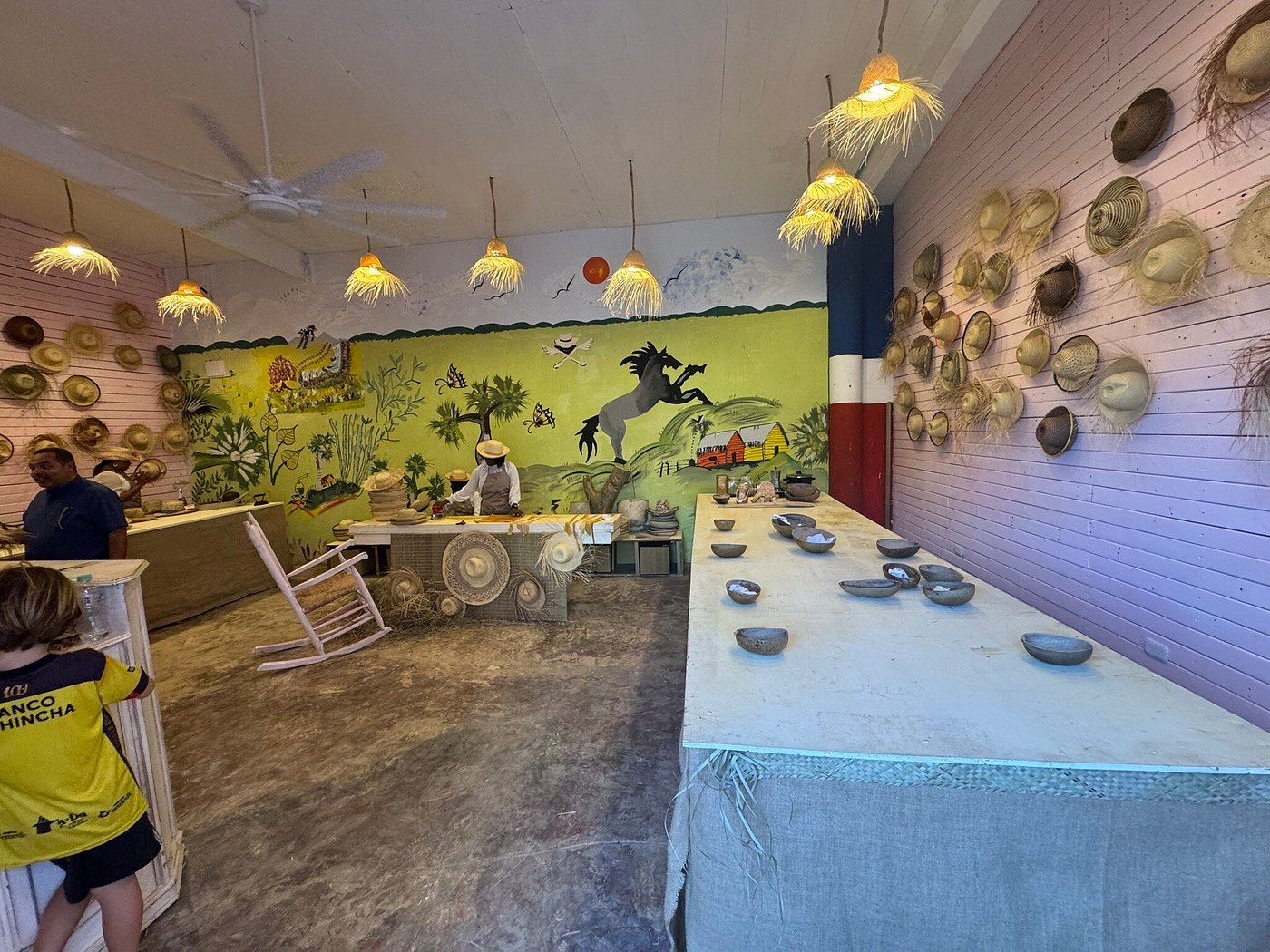
Handmade Crafts
Traditional and contemporary craftwork may include:
- Decorative ceramics.
- Handmade textiles.
- Wooden decorative objects.
- Locally inspired paintings.
- Jewellery and accessories.
- Small handmade souvenirs.
These products can help visitors understand the artistic identity of the region.
Supporting Local Artisans
Purchasing locally made products can support independent artisans and small businesses.
Visitors should ask about the origin of handmade items and choose products that are produced responsibly.
Supporting genuine local craftsmanship helps preserve traditional skills and encourages cultural continuity.
13. Important Cultural Places in Samaná
Several places in the region help visitors understand its history and traditions.
Santa Bárbara de Samaná
<escape> </escape>Santa Bárbara de Samaná is the provincial capital and an important centre of local culture.
Its waterfront setting, historic architecture and community traditions make it an interesting place to learn about the region.
La Churcha
La Churcha is one of the most important historical and religious landmarks in Samaná.
It represents the legacy of freed African Americans and their descendants.
El Limón
El Limón is a community associated with local religious celebrations and the cultural life of the Samaná Peninsula.
Its traditions form part of the region's wider cultural identity.
Las Terrenas
Las Terrenas is known for its multicultural atmosphere and diverse local community.
Its food, architecture and everyday social environment reflect the wider cultural influences present across the peninsula.
Las Galeras
Las Galeras is a coastal community in northeastern Samaná.
Its local identity is connected to the wider region's history, coastal environment and community life.
14. How to Experience Samaná's Culture Respectfully
Understanding local customs is an important part of responsible travel.
Visitors can learn about Samaná's heritage while respecting the people and communities who preserve it.
Respect Religious Locations
Dress appropriately when visiting churches and avoid disturbing religious services.
Ask permission before taking photographs during ceremonies.
Support Local Food Traditions
Choose local food establishments and appreciate the history behind traditional recipes.
Trying regional dishes such as pescado con coco and coconut-based breads can be a meaningful way to understand Samaná's culinary identity.
Respect Local Communities
Ask permission before photographing residents, especially during private family or religious events.
Remember that cultural traditions are part of people's everyday lives rather than simply tourist attractions.
Learn About Local History
Read about the African-American migration of 1824, La Churcha and the region's multicultural heritage.
Understanding historical context makes a visit more meaningful.
Support Cultural Preservation
Choose authentic locally produced crafts and respect historic buildings and cultural sites.
Responsible visitors help protect the traditions that make Samaná unique.
15. Why Samaná's Cultural Heritage Matters Today
Samaná's cultural identity is an important part of the Dominican Republic's national heritage.
Its traditions show how migration, historical events and community relationships can shape a distinctive regional identity.
The African-American heritage of Samaná is especially important because it connects the region's history with broader movements of people across the Atlantic and Caribbean.
Its food traditions preserve memories of migration and cultural exchange.
Its religious buildings represent historical connections between communities.
Its music and festivals demonstrate the importance of passing traditions from one generation to another.
Challenges of Cultural Preservation
Like many traditional communities, Samaná faces the challenge of maintaining its cultural heritage while experiencing modernisation and tourism development.
Important preservation priorities include:
- Documenting oral histories.
- Maintaining historic buildings.
- Teaching traditional music and dance.
- Preserving local recipes.
- Supporting cultural education.
- Encouraging community-led celebrations.
- Protecting traditional artistic skills.
Cultural preservation is most meaningful when local communities remain involved in deciding how their heritage is represented and maintained.
16. Frequently Asked Questions About Dominican Culture and Traditions in Samaná
What makes Samaná's culture unique?
Samaná has a distinctive multicultural identity shaped by Taíno, African, African-American, Spanish and Caribbean influences. These influences can be seen in its food, music, religious traditions, language and architecture.
When did African Americans arrive in Samaná?
Groups of freed African Americans arrived in Samaná in 1824. Their descendants continue to preserve important parts of their cultural and religious heritage.
What is La Churcha in Samaná?
La Churcha, also known as St. Peter's Church, is a historic wooden church in Santa Bárbara de Samaná. It represents the region's African-American heritage and is recognised for its Victorian architectural design.
What traditional food is Samaná famous for?
Samaná is especially known for pescado con coco, coconut-based rice dishes, Johnnycake, pan de batata, pan de yautía and traditional coconut sweets.
What is Bamboulá?
Bamboulá is a traditional dance associated with Samaná. It features African cultural influences, rhythmic percussion and coordinated group dancing.
What is the Harvest Festival in Samaná?
The Harvest Festival, or Fiesta de la Cosecha, is a community and religious celebration associated with the African-American heritage of Samaná. It generally takes place in October and includes hymns, cultural presentations and agricultural offerings.
When is Santa Bárbara celebrated?
The patron saint celebration in Santa Bárbara de Samaná takes place around December 4.
When does Carnaval de Samaná take place?
Carnival celebrations generally take place during February and conclude around Dominican Independence Day on February 27. Exact schedules vary by year.
Is English spoken in Samaná?
Spanish is the official language and is widely spoken. English also has historical and cultural importance in some communities because of the arrival of freed African Americans in the nineteenth century.
Why is coconut important in Samaná's culture?
Coconut is an important local agricultural product and a central ingredient in traditional cooking. It appears in fish dishes, rice preparations, breads and sweets.
Conclusion: Discover the Living Heritage of Samaná
Samaná is much more than a beautiful Caribbean destination. It is a region with a remarkable cultural history shaped by migration, community traditions and generations of cultural exchange.
The arrival of freed African Americans in 1824, the historic presence of La Churcha, traditional Bamboulá music, coconut-based cuisine and community celebrations all contribute to its distinctive identity.
These traditions demonstrate how history continues to influence everyday life.
For visitors, learning about Samaná's culture offers a deeper understanding of the Dominican Republic and the diverse communities that have helped shape it.
Explore its historic landmarks, appreciate its traditional food, respect its religious heritage and support local cultural preservation.
Samaná's greatest cultural treasure is not simply found in its buildings or festivals. It lives in the people, memories, customs and traditions that continue to connect generations.

Local explorer & expert guide in Reservando Aventuras.