Essential Spanish Phrases for Samaná: Travel Vocabulary 2026
Introduction
Planning a visit to Samaná, Dominican Republic Learning a few basic Spanish phrases can make everyday interactions easier and help you connect with local people during your stay.
Spanish is the official language of the Dominican Republic. Although English is spoken in many hotels and tourism-related businesses, visitors may encounter Spanish in local shops, restaurants, markets, and everyday conversations.
You do not need to become fluent before travelling. Even a small collection of useful expressions can help you greet people, ask questions, understand menus, and communicate politely.
This guide introduces essential Spanish phrases for Samaná in 2026, including English translations and simple pronunciation tips.
1. Basic Spanish Greetings
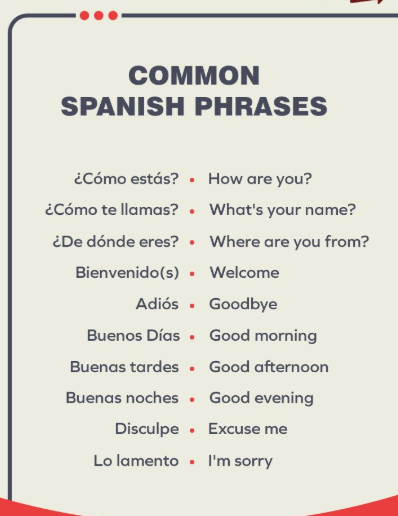
Greetings are among the most useful expressions to learn before visiting Samaná. Starting a conversation politely can make interactions more comfortable.
SpanishEnglish MeaningPronunciationHolaHelloOH-lahBuenos díasGood morningBWEH-nos DEE-asBuenas tardesGood afternoonBWEH-nas TAR-desBuenas nochesGood evening / Good nightBWEH-nas NOH-ches¿Cómo está?How are you?KOH-moh es-TAHMuy bien, graciasVery well, thank youMwee byen GRAH-syahs¿Y usted?And you?Ee oos-TEDAdiósGoodbyeAh-DYOSHasta luegoSee you laterAS-tah LWEH-gohHasta mañanaSee you tomorrowAS-tah mah-NYAH-nah
Useful example:
Visitor: ¡Buenos días!
Local: ¡Buenos días! ¿Cómo está?
Visitor: Muy bien, gracias.
English translation:
Visitor: Good morning!
Local: Good morning! How are you?
Visitor: Very well, thank you.
2. Essential Polite Expressions
Polite words are important when speaking with hotel staff, restaurant employees, shopkeepers, and local residents.
SpanishEnglish MeaningPor favorPleaseGraciasThank youMuchas graciasThank you very muchDe nadaYou're welcomeDisculpeExcuse mePerdónPardon / SorryLo sientoI'm sorryCon permisoExcuse me (when passing)No hay problemaNo problemEstá bienIt's okayClaroOf courseSíYesNoNo
Travel tip: When speaking with someone you do not know, using the formal expression "usted" is a polite choice.
3. Spanish Phrases for Everyday Communication
Sometimes visitors need to ask simple questions or explain that they do not understand something.
SpanishEnglish MeaningNo hablo mucho españolI don't speak much SpanishNo entiendoI don't understand¿Habla inglés?Do you speak English?¿Puede ayudarme?Can you help me?¿Puede repetir, por favor?Can you repeat, please?Más despacio, por favorMore slowly, please¿Qué significa esto?What does this mean?¿Cómo se dice en español?How do you say it in Spanish?Estoy aprendiendo españolI'm learning SpanishUn momento, por favorOne moment, please
Example conversation:
Visitor: Disculpe, ¿habla inglés?
Local: Un poco.
Visitor: Gracias. No hablo mucho español.
English translation:
Visitor: Excuse me, do you speak English?
Local: A little.
Visitor: Thank you. I don't speak much Spanish.
4. Spanish Vocabulary for Restaurants and Food
Samaná offers visitors opportunities to experience Dominican food and local dining culture. These expressions can help you understand menus, ask about meals, and communicate your preferences.
Useful Restaurant Words
SpanishEnglish MeaningRestauranteRestaurantMenúMenuDesayunoBreakfastAlmuerzoLunchCenaDinnerAguaWaterCaféCoffeeLecheMilkArrozRicePolloChickenPescadoFishFrutaFruitVerdurasVegetablesPanBreadCuentaBill
Useful Restaurant Phrases
SpanishEnglish MeaningUna mesa, por favorA table, please¿Tiene un menú?Do you have a menu?Quisiera agua, por favorI would like water, please¿Qué recomienda?What do you recommend?¿Qué lleva este plato?What does this dish contain?Sin azúcar, por favorWithout sugar, pleaseLa cuenta, por favorThe bill, pleaseEstá deliciosoIt is deliciousPara llevar, por favorTo take away, please
Example conversation:
Visitor: Buenos días. ¿Tiene un menú?
Restaurant staff: Sí, aquí tiene.
Visitor: Gracias. ¿Qué recomienda?
English translation:
Visitor: Good morning. Do you have a menu?
Restaurant staff: Yes, here you are.
Visitor: Thank you. What do you recommend?
5. Spanish Phrases for Shopping in Samaná
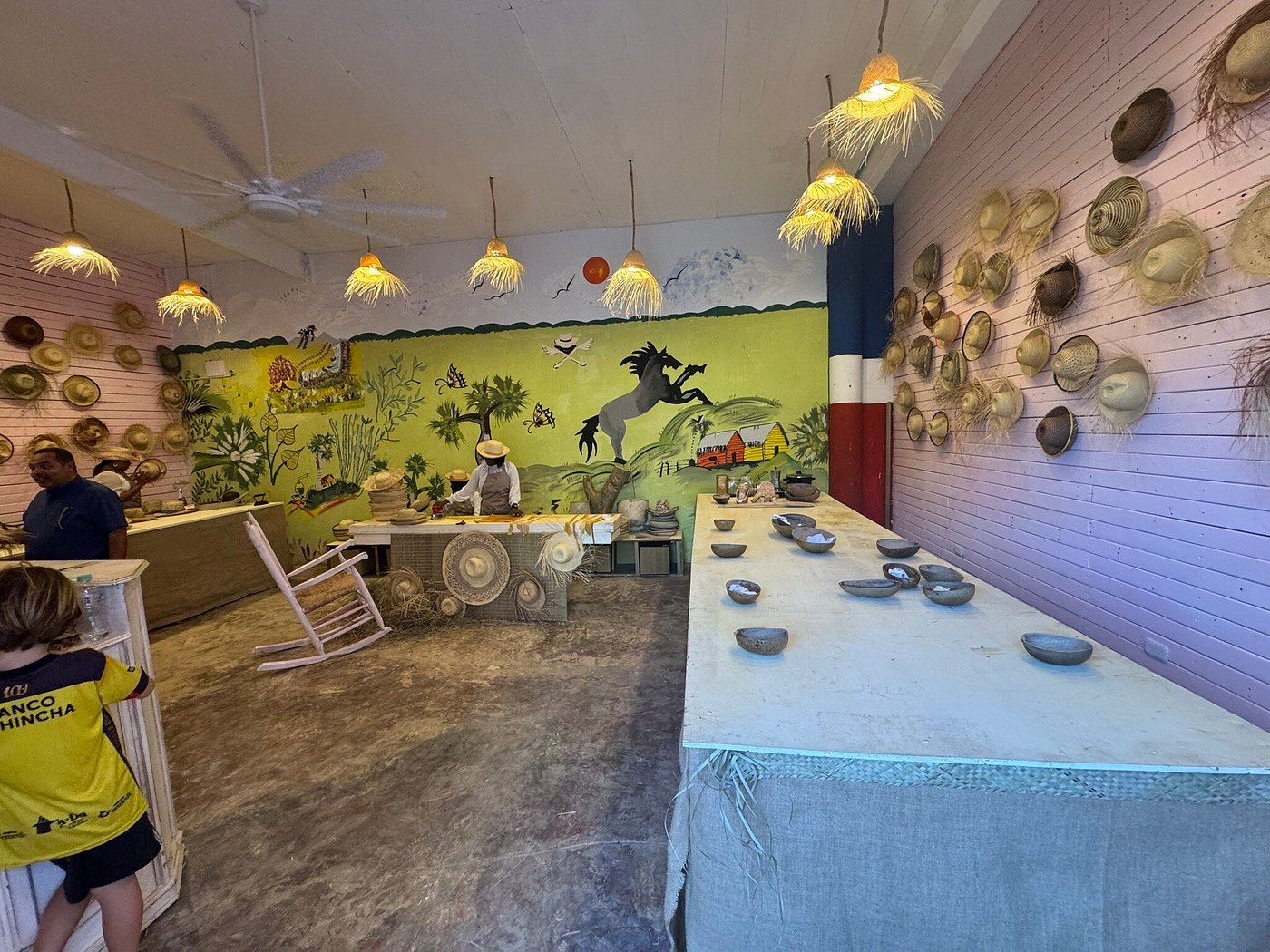
Visitors may explore local shops and markets to find handmade crafts, souvenirs, artwork, and other locally produced items.
These phrases can help you ask about products and prices.
SpanishEnglish Meaning¿Cuánto cuesta?How much does it cost?¿Cuánto es?How much is it?Es muy caroIt is very expensive¿Tiene otro color?Do you have another color?¿Tiene otro tamaño?Do you have another size?Me gustaI like itSolo estoy mirandoI'm just looking¿Puedo verlo?Can I see it?¿Acepta tarjeta?Do you accept cards?¿Puedo pagar en efectivo?Can I pay in cash?Gracias, noThank you, no
Example conversation:
Visitor: Hola. ¿Cuánto cuesta esto?
Shopkeeper: Cuesta quinientos pesos.
Visitor: Gracias.
English translation:
Visitor: Hello. How much does this cost?
Shopkeeper: It costs five hundred pesos.
Visitor: Thank you.
6. Spanish Phrases for Asking Directions
Knowing how to ask for directions is useful when exploring Samaná town, finding a restaurant, or locating a nearby public place.
SpanishEnglish Meaning¿Dónde está...?Where is...?¿Dónde queda...?Where is...?¿Cómo llego a...?How do I get to...?¿Está cerca?Is it nearby?¿Está lejos?Is it far?A la derechaTo the rightA la izquierdaTo the leftTodo rectoStraight aheadAquíHereAllíThereCercaNearLejosFar¿Dónde está el baño?Where is the bathroom?¿Dónde está el centro?Where is the town centre?
Useful example:
Visitor: Disculpe, ¿dónde está el centro?
Local: Todo recto y después a la derecha.
English translation:
Visitor: Excuse me, where is the town centre?
Local: Straight ahead and then to the right.
7. Spanish Phrases for Hotels and Accommodation
Whether you are staying in a hotel, guesthouse, or another accommodation, these expressions can help you communicate with reception staff.
SpanishEnglish MeaningTengo una reservaI have a reservationTengo una habitación reservadaI have booked a room¿A qué hora es el desayuno?What time is breakfast?¿Cuál es la contraseña del Wi-Fi?What is the Wi-Fi password?¿Dónde está mi habitación?Where is my room?Necesito una toallaI need a towelNecesito ayudaI need help¿Hay agua caliente?Is there hot water?¿A qué hora es la salida?What time is check-out?Gracias por su ayudaThank you for your help
Example conversation:
Visitor: Buenas tardes. Tengo una reserva.
Receptionist: Buenas tardes. ¿A qué nombre?
Visitor: A nombre de [your name].
English translation:
Visitor: Good afternoon. I have a reservation.
Receptionist: Good afternoon. Under what name?
Visitor: Under the name [your name].
8. Useful Spanish Words for Daily Life
Learning individual vocabulary words can help you understand signs, conversations, and simple instructions.
SpanishEnglish MeaningAguaWaterCalleStreetCiudadCityPlayaBeachHotelHotelTiendaShopMercadoMarketRestauranteRestaurantHospitalHospitalFarmaciaPharmacyBañoBathroomEntradaEntranceSalidaExitAbiertoOpenCerradoClosedHoyTodayMañanaTomorrowAhoraNowDespuésLater / Afterwards
9. Understanding Dominican Spanish
Dominican Spanish is the variety of Spanish commonly spoken throughout the Dominican Republic, including Samaná.
Visitors may notice that local conversations sometimes sound faster than the Spanish they learned in a classroom. Some speakers also soften or omit certain consonant sounds in casual speech.
Here are a few helpful points:
1. Listen for familiar words
Even when someone speaks quickly, familiar words such as "gracias," "agua," and "por favor" can help you understand the conversation.
2. Start with simple sentences
You do not need complicated grammar. Short and clear sentences are often enough for basic communication.
3. Learn the formal form
Use "usted" when speaking politely to someone you do not know well.
4. Do not worry about perfect pronunciation
Most important is making a respectful effort to communicate.
A Few Dominican Expressions
ExpressionMeaning¿Qué lo que?What's up / How's it going?Un chinA little bitGuaguaBus or minibusColmadoSmall neighbourhood grocery shopVainaThing / Stuff (informal)
These expressions are informal. For a first conversation, standard Spanish greetings and polite expressions are a reliable choice.
10. Spanish Phrases for Emergencies and Assistance
It is useful to know a few basic expressions in case you need help during your visit.
SpanishEnglish Meaning¡Ayuda!Help!Necesito ayudaI need helpEs una emergenciaIt is an emergencyNecesito un médicoI need a doctorMe siento malI feel unwell¿Dónde está el hospital?Where is the hospital?Llame a la policía, por favorPlease call the policeEstoy perdido / perdidaI am lostNo me encuentro bienI don't feel well¿Puede llamar a alguien?Can you call someone?
The emergency telephone number in the Dominican Republic is 911. Keep important accommodation and contact details accessible during your visit.
11. Easy Spanish Pronunciation Guide
Spanish pronunciation becomes easier with practice. The following simple guide can help beginners pronounce common travel expressions.
Spanish SoundApproximate English SoundExampleAAhCasaEEhMesaIEeSíOOhHolaUOoUnoÑNyBañoLLOften similar to YCalleJH-like soundJoséHUsually silentHola
Pronunciation varies across Spanish-speaking regions, so these are beginner-friendly approximations rather than exact phonetic transcriptions.
12. A Quick Spanish Phrase Cheat Sheet
If you only have time to memorize a few expressions before visiting Samaná, start with these:
SpanishEnglishHolaHelloBuenos díasGood morningPor favorPleaseGraciasThank youDe nadaYou're welcomeDisculpeExcuse me¿Habla inglés?Do you speak English?No entiendoI don't understand¿Cuánto cuesta?How much does it cost?¿Dónde está...?Where is...?La cuenta, por favorThe bill, pleaseNecesito ayudaI need helpHasta luegoSee you laterAdiósGoodbye
13. Practical Tips for Learning Spanish Before Visiting Samaná
A little preparation can make communication easier during your trip.
- Practice daily: Spend a few minutes reviewing common Spanish greetings and expressions.
- Save useful phrases: Keep a digital note with important Spanish sentences and their English meanings.
- Listen carefully: Pay attention to how local people pronounce familiar words.
- Speak politely: Use "por favor," "gracias," and "disculpe" regularly.
- Use translation tools: An offline Spanish translation option can be useful when internet access is limited.
- Be patient: If you do not understand something, politely ask the speaker to repeat it more slowly.
- Learn essential numbers: Knowing numbers can help you understand prices, room numbers, and times.
Frequently Asked Questions
1. What language is spoken in Samaná?
Spanish is the official language of the Dominican Republic and is widely spoken in Samaná. English may also be understood in many tourism-related businesses.
2. Do I need to speak Spanish to visit Samaná?
No. You can visit without being fluent in Spanish. However, learning basic greetings, polite expressions, and common questions can make everyday communication easier.
3. What are the most useful Spanish phrases for tourists?
Some of the most useful phrases are "Hola" (Hello), "Gracias" (Thank you), "Por favor" (Please), "¿Cuánto cuesta" (How much does it cost?), and "¿Dónde está..." (Where is...?).
4. How do you say thank you in Dominican Spanish?
"Gracias" means thank you, while "Muchas gracias" means thank you very much.
5. How do you ask for directions in Spanish?
You can say "¿Dónde está..." or "¿Dónde queda..." Both expressions mean "Where is..."
6. Is Dominican Spanish different from standard Spanish?
Dominican Spanish has a distinctive accent, rhythm, and informal vocabulary. However, standard Spanish phrases are generally understood.
7. How do you ask someone if they speak English?
Say "¿Habla inglés" This is a polite way to ask whether someone speaks English.
8. What number should visitors call in an emergency in the Dominican Republic?
The general emergency telephone number is 911.
Conclusion
Learning essential Spanish phrases before visiting Samaná can make your travel experience more comfortable and enjoyable. From greeting local residents to ordering food, asking for directions, and shopping for souvenirs, a few simple expressions can help you communicate in everyday situations.
You do not need to speak perfect Spanish. Start with basic vocabulary, practise useful sentences, and approach conversations with patience and respect.
Save this Spanish travel vocabulary guide before your trip and use it as a quick reference while exploring Samaná and the Dominican Republic.

Local explorer & expert guide in Reservando Aventuras.