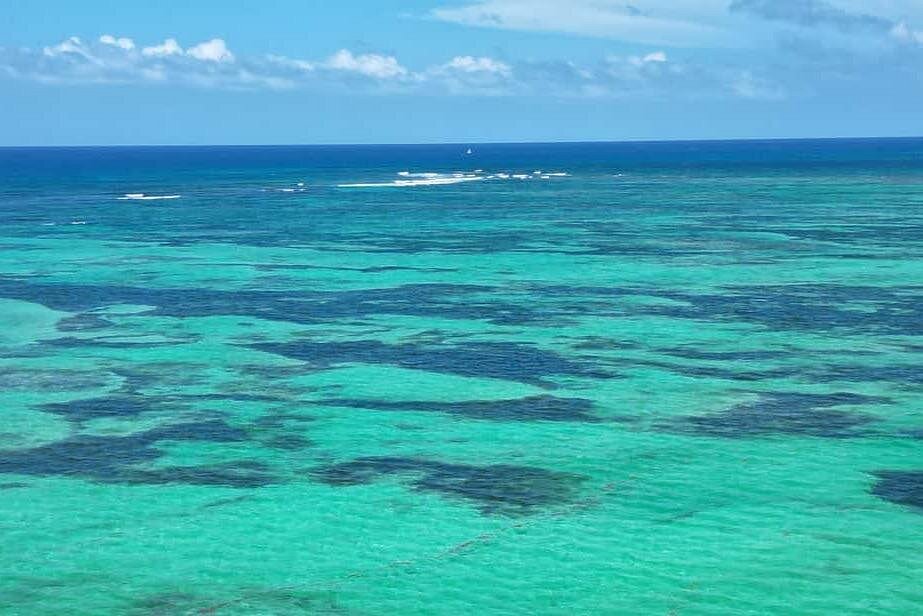
Scuba Diving Near Saona Island: Reefs, Shipwrecks and Underwater Adventures
Saona Island is famous for its white-sand beaches and turquoise Caribbean waters. But beneath the surface, the surrounding marine region offers another experience for adventurous travelers: scuba diving.
The waters around Saona Island and Bayahibe are known for coral reefs, underwater rock formations, shipwrecks and a variety of Caribbean marine life. Whether you are an experienced diver or considering your first underwater experience, this part of the Dominican Republic offers several diving opportunities.
One important detail when planning your trip is that not every dive site is directly beside Saona Island. Many excursions depart from Bayahibe and visit different sites within the wider Cotubanamá National Park marine area.
This guide explains where to dive, what you might see underwater, which experience levels different sites suit and how to prepare for a scuba diving trip near Saona Island.
Is Scuba Diving Available Near Saona Island?
Yes. Scuba diving is available in the marine region around Saona Island, with Bayahibe serving as an important departure point for local dive operators.
The area includes shallow reefs, deeper reef structures and underwater wrecks. Some sites are suitable for recreational divers with basic certification, while others require more experience and appropriate training.
The exact dive location depends on several factors:
- Your certification and diving experience.
- Sea conditions and underwater currents.
- Weather and visibility.
- The dive operator's schedule.
- The type of underwater experience you want.
It is important to distinguish scuba diving from a typical Saona Island beach excursion. A standard island tour may include swimming or snorkeling but does not necessarily provide a certified scuba diving experience.
If scuba diving is your priority, book directly with a qualified dive operator and confirm the actual dive sites included.
Why Is the Bayahibe Area Popular With Scuba Divers?
Bayahibe is one of the main scuba diving bases on the southeastern coast of the Dominican Republic.
Its location provides access to different underwater environments, including coral reefs, sandy seabeds and shipwrecks.
The protected marine environment around Saona Island also offers opportunities to explore underwater habitats with a guide.
Several factors make this region attractive to divers:
- A range of reef and wreck diving experiences.
- Sites with different depth profiles.
- Opportunities to observe Caribbean reef fish.
- Access to parts of Cotubanamá National Park.
- Dive centers offering guided trips and training.
The variety of sites means that divers do not have to choose only one type of underwater experience.
Popular Scuba Diving Sites Near Saona Island
The following sites are associated with the wider Bayahibe and southeastern Dominican Republic diving area. Not all are directly beside Saona Island, so confirm the location and route with your operator.
1. Peñon Reef
Peñon Reef is one of the reef-diving options associated with the Saona Island area.
The reef offers underwater coral formations and opportunities to observe marine life in its natural habitat.
Divers may encounter sea turtles, moray eels, rays and different reef fish, although wildlife sightings are never guaranteed.
The site's depth and conditions can vary by route and section. Ask the dive center which part of the reef it plans to visit and whether it is appropriate for your certification.
2. Atlantic Princess Wreck
The Atlantic Princess is a well-known wreck-diving site in the Bayahibe area.
The vessel became an underwater wreck after running aground during Tropical Storm Fay in 2008. It later sank in 2009 and became an artificial reef.
The wreck is relatively shallow compared with deeper wreck sites in the region. Local dive operators describe it as an option for recreational divers, subject to their assessment of conditions and experience.
Marine life may include reef fish, small rays and other species that use the wreck as shelter.
This site can be interesting for divers who want to explore an underwater structure without immediately choosing a deep wreck dive.
3. St. George Wreck
The St. George is a larger and deeper wreck in the Bayahibe diving area.
The former cargo vessel was deliberately sunk in 1999 and has since developed into an underwater structure covered with marine growth.
Its deeper sections are intended for appropriately qualified and experienced divers. The maximum depth is around 40 metres, so the deepest portions are beyond the limits of a standard Open Water recreational certification.
Divers may see groupers, barracuda, moray eels and other marine species around the wreck.
Before booking, discuss your certification, logged experience and recent diving history with the operator. Do not choose a deep wreck dive simply because it appears in a tour advertisement.
4. El Faro Reef
El Faro is another reef option in the wider Saona and Bayahibe diving region.
Reef dives can provide opportunities to observe coral formations, sponges and Caribbean fish.
The experience is different from exploring a shipwreck. Instead of focusing on a sunken vessel, divers follow the reef and observe the animals living around it.
Ask your dive guide about the planned depth, current and entry conditions before the trip.
5. La Parguera
La Parguera is described in regional diving information as a deeper reef and wall-style dive.
The underwater terrain makes it more suitable for divers who have the experience and certification required for the planned depth and conditions.
Some operators report sightings of nurse sharks and other larger marine animals in the area. Such encounters depend on natural conditions and should never be treated as guaranteed attractions.
What Marine Life Can You See?
The marine environments near Saona Island and Bayahibe support a variety of Caribbean underwater species.
Depending on the dive site, season and visibility, divers may encounter:
- Parrotfish.
- Angelfish.
- Groupers.
- Barracuda.
- Moray eels.
- Caribbean reef fish.
- Southern stingrays.
- Sea turtles.
- Nurse sharks at some sites.
- Seahorses in suitable habitats.
Coral formations and sponges provide shelter and feeding areas for many small marine organisms.
Remember that marine wildlife is unpredictable. A dive guide can explain which species are commonly reported at a site, but no operator can guarantee a particular animal sighting.
Can Beginners Go Scuba Diving Near Saona Island?
Yes, beginners may have suitable options, but the right experience depends on whether you already hold a diving certification.
There are two different situations to consider.
If You Have Never Scuba Dived
You may be able to join a supervised introductory or Discover Scuba Diving experience through a qualified dive center.
An introductory experience normally includes a briefing, equipment instruction and close supervision in an appropriate environment.
It is not the same as earning an Open Water certification.
Tell the operator that you have no previous scuba diving experience. Ask where the activity takes place, what supervision is provided and what restrictions apply.
If You Already Have Open Water Certification
Certified Open Water divers can discuss suitable shallow reef and wreck options with their dive center.
The operator should check the planned depth, conditions and your recent experience before assigning a site.
Do not assume that every dive site in the region is suitable for every Open Water diver.
Do You Need a Scuba Diving Certification?
A certification is generally required for independent recreational dives with a dive guide, although introductory programs may allow non-certified participants to experience scuba diving under direct professional supervision.
Common certification levels include:
Open Water Diver: This qualification allows recreational diving within the depth and other limits of the certification and applicable standards.
Advanced Open Water Diver: This training expands recreational diving experience and can qualify divers for some deeper or more demanding sites, subject to the operator's requirements.
Specialty certifications: Some activities, such as certain wreck or overhead-environment dives, require additional training and experience.
Always provide accurate information about your certification and logged dives. The dive operator should not place you in a site beyond your training or comfort level.
Best Time for Scuba Diving Near Saona Island
Diving is possible throughout much of the year in the Bayahibe region, but conditions change with the weather and sea state.
The dry season, generally December through May, is often considered a favorable period for calmer conditions in the southern part of the Dominican Republic.
However, a good diving day cannot be guaranteed by the calendar alone.
Before your trip, ask the dive center about:
- Current sea conditions.
- Underwater visibility.
- Water temperature.
- Wind and wave forecasts.
- Whether the planned site is suitable for your experience.
The operator may change the dive site or cancel a trip if conditions are not appropriate.
What Equipment Is Used for Scuba Diving?
A typical recreational scuba setup includes:
- Diving mask.
- Fins.
- Buoyancy control device (BCD).
- Regulator.
- Scuba cylinder.
- Exposure protection, such as a wetsuit.
- Weight system where required.
- Dive computer or appropriate depth and timing instruments.
Many dive centers provide rental equipment as part of a package or for an additional charge.
Confirm exactly what is included before booking. Ask about equipment sizes, maintenance, replacement arrangements and whether you can bring your own mask or other personal equipment.
How to Prepare for a Saona Island Scuba Diving Trip
A little preparation can make your underwater experience more comfortable.
1. Choose a Qualified Dive Operator
Look for a professional dive center with appropriately trained staff, clear safety procedures and well-maintained equipment.
Check whether the operator is affiliated with a recognized training organization such as PADI or another established certification agency.
2. Share Your Diving Experience Honestly
Tell the operator your certification level, number of logged dives and when you last went diving.
If you have not dived for a long time, ask whether a refresher session is recommended.
3. Check the Dive Itinerary
Confirm the planned dive sites, number of dives, expected duration and maximum depth.
If the advertised trip includes both diving and a Saona Island beach visit, ask how the schedule is organized.
4. Follow the Safety Briefing
Pay attention to the entry and exit procedures, hand signals, buddy system, emergency plan and maximum depth.
Ask questions if anything is unclear.
5. Protect the Marine Environment
Maintain good buoyancy and avoid touching coral, marine animals or underwater structures.
Never collect coral, shells or other protected marine material.
6. Follow Post-Dive Instructions
After diving, follow the operator's guidance about hydration, rest and flying.
Scuba diving creates decompression-related risks. Follow recognized dive safety guidance on the required surface interval before flying, and discuss your itinerary with the dive professional.
Scuba Diving and Saona Island Beach Excursions: Can You Combine Them?
Some regional operators advertise packages that combine scuba diving with a visit to Saona Island.
These packages may appeal to travelers who want both underwater exploration and time on the beach.
However, the exact arrangement differs between providers.
Before booking a combined trip, ask:
- How many scuba dives are included?
- Which dive sites are planned?
- Is the Saona Island stop included in the same boat trip?
- How much time is available on the island?
- Is lunch included?
- Is equipment rental included?
- What happens if sea conditions prevent the planned dive?
A combined itinerary may involve a different schedule from a standard beach excursion. Make sure you understand the full program before paying.
Scuba Diving Safety: Important Things to Remember
Scuba diving is an adventure activity that requires proper training, equipment and responsible decisions.
Keep these principles in mind:
- Never dive alone.
- Stay within your certification and experience limits.
- Follow your guide's instructions.
- Monitor your air supply and depth.
- Maintain contact with your buddy.
- Do not touch or damage coral.
- Avoid diving when unwell or impaired.
- Never ignore a safety concern to complete a planned dive.
- Follow decompression and flying-after-diving guidance.
If you have a medical condition or take medication that could affect diving, consult a qualified diving medical professional before participating.
Frequently Asked Questions About Scuba Diving Near Saona Island
Is Saona Island good for scuba diving?
The wider marine region around Saona Island and Bayahibe offers reef and wreck diving opportunities. The best site depends on your certification, experience and current conditions.
Where do scuba diving trips usually depart from?
Bayahibe is a major departure point for diving excursions in the region. Confirm the meeting location and boat route with your chosen dive center.
Can beginners scuba dive near Saona Island?
Beginners may be able to join a supervised introductory diving experience. Certified beginners may also have suitable shallow dive options, depending on the operator's assessment.
How deep is the St. George Wreck?
The St. George Wreck reaches approximately 40 metres at its deepest point. Divers must have the appropriate training and experience for the planned depth.
Can I see sea turtles while scuba diving?
Sea turtles are reported at some dive sites in the wider Cotubanamá marine region. Sightings are possible but never guaranteed.
Is scuba diving the same as snorkeling?
No. Snorkeling normally involves observing the underwater environment from the surface, while scuba diving uses breathing equipment to explore underwater at depth.
Can I combine scuba diving with a Saona Island tour?
Some operators offer combined itineraries. Check the dive sites, beach stop, timing and inclusions before booking.
Do I need to bring my own diving equipment?
Many dive centers offer rental equipment, but availability and charges vary. Confirm what is included in your booking.
Explore the Underwater Side of Saona Island
Saona Island is not only a destination for beach lovers. Its surrounding marine region offers a range of underwater experiences, from shallow coral reefs to historic shipwrecks and deeper reef structures.
Bayahibe provides access to many of these dive sites, making it a useful starting point for travelers planning a scuba diving experience near the island.
Choose a qualified dive operator, match the dive site to your certification and follow all safety instructions. With the right preparation, scuba diving can add a completely different perspective to your Caribbean trip.

Local explorer & expert guide in Reservando Aventuras.


