Puerto Plata Cruise Port Guide: Amber Cove & Taíno Bay (2026)
Introduction
Puerto Plata is one of the Dominican Republic's best-known cruise destinations, welcoming visitors to the country's beautiful northern coastline. Located beside the Atlantic Ocean, this historic city combines colonial architecture, tropical scenery, cultural attractions, and a lively waterfront atmosphere.
Unlike destinations with only one cruise terminal, Puerto Plata has two major cruise facilities: Amber Cove and Taíno Bay. Both provide access to the Puerto Plata region, but they are located in different areas and offer different experiences.
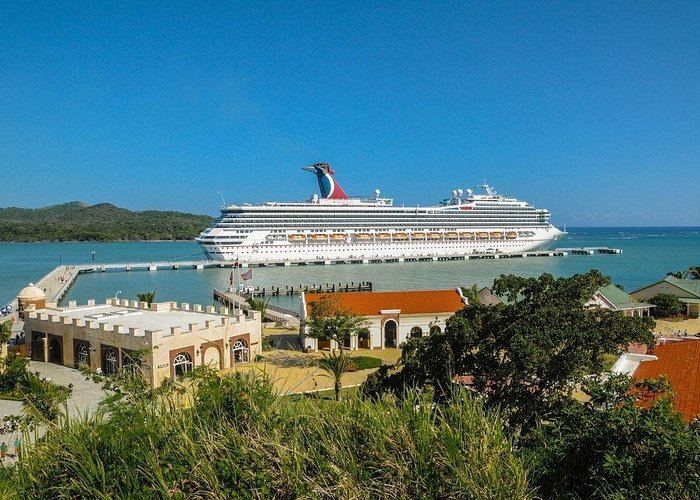
Amber Cove Cruise Port is situated in Maimón Bay, outside the main city. It is known for its purpose-built cruise facilities and resort-style atmosphere.
Taíno Bay Cruise Port is located close to downtown Puerto Plata, making it more convenient for visitors interested in the historic centre and urban attractions.
Understanding which terminal your ship uses is the first step in planning a Puerto Plata cruise stop.
This guide covers both terminals, their differences, facilities, nearby cultural attractions, and important information for cruise passengers in 2026.
1. Where Is Puerto Plata Cruise Port?
Puerto Plata is located on the northern coast of the Dominican Republic, in Puerto Plata Province.
The city is often associated with the name "Amber Coast" because of the region's famous Dominican amber deposits. Its landscape includes mountains, beaches, historic neighbourhoods, and a long Atlantic coastline.
The two cruise terminals are:
- Amber Cove: Located in Maimón Bay, west of central Puerto Plata.
- Taíno Bay: Located beside the waterfront in the city of Puerto Plata.
Although both terminals serve the same general destination, they are separate facilities. A ship's itinerary may list Puerto Plata as the destination without making the specific terminal immediately obvious.
Passengers should check their cruise documents for the actual terminal name.
2. Amber Cove Cruise Port Guide
Where Is Amber Cove?
Amber Cove is located in Maimón Bay, in the Puerto Plata region of the Dominican Republic.
The terminal was developed by Carnival Corporation and opened in 2015. It was designed to provide a dedicated cruise destination with visitor facilities and a tropical setting.
Unlike Taíno Bay, Amber Cove is not located in the historic centre of Puerto Plata. It is a separate cruise facility outside the city.
What Makes Amber Cove Different?
Amber Cove has a resort-style layout, with landscaped areas and facilities designed around cruise passengers.
Its main characteristics include:
- A purpose-built cruise terminal
- Restaurants and food outlets
- Retail and souvenir shops
- Visitor seating and landscaped public areas
- Recreational facilities
- Views of the surrounding tropical landscape
The port also has an official shopping and market directory, where visitors can find information about businesses operating within the terminal.
Facility availability, operating hours, and access rules can change, so passengers should check current information before their visit.
Amber Cove Shopping and Local Products
Shopping is one of the features of the Amber Cove terminal.
Visitors may find stores offering souvenirs, clothing, jewellery, and Dominican-themed products. The official port directory lists businesses in categories such as food and beverage, jewellery, and general retail.
Some products reflect the identity of the Dominican Republic, including amber-inspired jewellery and local craft items.
Dominican amber is particularly associated with Puerto Plata. It is fossilized tree resin that can preserve ancient plant material and insects.
Is Amber Cove Close to Downtown Puerto Plata?
Amber Cove is outside the city centre, in the Maimón area.
It is therefore different from Taíno Bay, where passengers arrive close to the urban waterfront and historic district.
The journey between Amber Cove and downtown Puerto Plata generally requires road transportation. Travel time can vary with traffic, road conditions, and the exact destination.
Visitors should check transport arrangements through their cruise operator or a responsible local provider.
3. Taíno Bay Cruise Port Guide
Where Is Taíno Bay?
Taíno Bay is located directly in Puerto Plata, near the city's waterfront and historic district.
The terminal began operating in 2021 and became the second major cruise facility in the Puerto Plata area.
Its central location is one of its biggest advantages. Unlike Amber Cove, Taíno Bay provides a much closer connection to the city's streets, historic buildings, and cultural attractions.
What Makes Taíno Bay Special?
Taíno Bay combines a cruise terminal with a visitor-oriented leisure and shopping environment.
Its general facilities include:
- Cruise passenger terminal areas
- Restaurants and cafés
- Shopping spaces
- Landscaped visitor areas
- Recreational facilities
- Public seating and rest areas
The port also features a tropical design that reflects the wider Caribbean atmosphere.
Its facilities make it possible for passengers to experience the terminal environment without necessarily travelling far into the city.
Taíno Bay and the Historic Centre
One of the main advantages of Taíno Bay is its location near downtown Puerto Plata.
The historic centre contains several well-known attractions, including Independence Park, San Felipe Cathedral, the Amber Museum, and colourful streets associated with the city's Victorian architecture.
The exact time needed to explore these places depends on walking pace, opening hours, weather, and individual interests.
Passengers should also remember that cruise ships operate on fixed schedules. Any visit outside the terminal should allow enough time for the return journey and the ship's departure requirements.
4. Amber Cove vs Taíno Bay: What's the Difference?
The two terminals serve the same destination but provide different starting points for visitors.
FeatureAmber CoveTaíno BayLocationMaimón BayPuerto Plata cityOpened20152021Main settingSeparate cruise destinationUrban waterfrontCity accessRequires road transportationClose to downtownShoppingShops and retail outletsShops and retail outletsFoodTerminal dining optionsTerminal dining optionsMain advantageDedicated cruise-port environmentConvenient location near historic attractions
Which Terminal Is Better Located?
There is no single answer because the best location depends on what visitors want to experience.
Amber Cove is suitable for passengers who prefer spending time within a purpose-built cruise terminal environment.
Taíno Bay is particularly convenient for visitors interested in Puerto Plata's historic centre because of its central location.
Does Every Cruise Line Use the Same Port?
No. Cruise terminal assignments vary by cruise company, ship, itinerary, and operational arrangements.
Some cruise operators have commonly used Amber Cove, while others have frequently called at Taíno Bay.
However, these patterns should not be treated as permanent rules. A cruise line's previous use of one terminal does not guarantee that a future sailing will use the same one.
Always check the terminal listed in your individual cruise itinerary.
5. Best Attractions to Explore in Puerto Plata
Puerto Plata offers more than cruise terminals. The city has a collection of historic, cultural, and architectural attractions that help visitors understand the Dominican Republic's northern coast.
Fortaleza San Felipe
Fortaleza San Felipe is one of the most important historic landmarks in Puerto Plata.
The Spanish constructed this fortress during the sixteenth century to defend the coastline against attacks from rival European powers and pirates. It was completed in 1577.
Today, the fortress operates as a museum and provides insight into the city's colonial history.
Its location beside the Atlantic Ocean also offers views of the coastline and harbour.
Independence Park (Parque Independencia)
Independence Park, also known as Parque Central, is the centrepiece of Puerto Plata's historic district.
The park is surrounded by attractive architecture and is closely associated with the city's social and cultural life.
San Felipe Cathedral stands beside the square, making the area an important landmark for visitors interested in local history.
Dominican Amber Museum
Puerto Plata is famous for its amber deposits, and the Amber Museum explains the natural history of this distinctive material.
Amber is fossilized tree resin that can preserve ancient organic inclusions.
Museum collections provide an opportunity to learn about amber formation, Dominican specimens, and the geological history of the region.
It is particularly interesting for visitors who enjoy natural science, geology, and cultural heritage.
Paseo de Doña Blanca
Paseo de Doña Blanca is a small pedestrian passage known for its distinctive pink appearance.
It has become a recognizable photographic location in the city.
The passage also reflects Puerto Plata's interest in preserving and presenting its architectural and cultural identity.
Umbrella Street (Calle de las Sombrillas)
Umbrella Street is one of Puerto Plata's best-known colourful streets.
Its suspended umbrellas create a distinctive overhead display, making the street popular with visitors and photographers.
The surrounding area contains local businesses and examples of the city's lively downtown atmosphere.
Puerto Plata Malecón
The Malecón is the city's waterfront promenade.
It offers views of the Atlantic Ocean and provides a different perspective on everyday life in Puerto Plata.
The waterfront is an important part of the city's public identity, connecting the urban area with its coastal environment.
6. Exploring Puerto Plata's Culture and Local Character
Puerto Plata is more than a cruise destination. It is a city with a distinctive history, regional traditions, and a strong connection to the Atlantic coast.
Victorian Architecture
The historic centre contains colourful buildings influenced by Victorian architectural styles.
Many of these buildings date from the late nineteenth and early twentieth centuries.
Their wooden details, balconies, and bright colours help give Puerto Plata a recognizable architectural character.
Dominican Food
Food is an important part of the local experience.
Visitors may encounter traditional Dominican dishes such as:
- La Bandera Dominicana, a traditional meal featuring rice, beans, and meat
- Mangu, a dish made from mashed plantains
- Sancocho, a traditional hearty stew
- Tostones, made from fried green plantains
- Local seafood preparations
Food availability varies by restaurant and season. Visitors interested in local cuisine can look for established restaurants and ask about ingredients before ordering.
Dominican Amber
Amber is one of the most recognizable natural products associated with Puerto Plata.
The Dominican Republic is internationally known for amber specimens, some of which contain preserved insects and plant material.
Learning about amber provides a connection between the region's geology, natural history, and local craft traditions.
7. Practical Information for Cruise Passengers
A successful port visit begins with understanding the terminal and the cruise schedule.
Check Your Exact Terminal
The first thing to confirm is whether your ship is scheduled to dock at Amber Cove or Taíno Bay.
Do not assume that the two terminals are interchangeable. They are located in different areas, and transportation arrangements differ.
Understand the Port's Location
Passengers arriving at Amber Cove should understand that the terminal is outside central Puerto Plata.
Passengers arriving at Taíno Bay have a closer connection to the city's downtown area.
This difference can influence how much of the city can reasonably be explored during a port call.
Check Opening Hours
Attractions such as museums and historic sites may have different operating hours, holidays, or temporary closures.
Confirm opening information before including a particular attraction in your port-day plans.
Keep the Cruise Schedule in Mind
Cruise ships have scheduled departure times. Passengers should follow the ship's official instructions and allow sufficient time to return to the correct terminal.
The ship's departure schedule should always take priority over an extended visit to a city attraction.
Accessibility Considerations
Accessibility can vary between terminals and individual attractions.
Some older historic streets have uneven surfaces, while certain public facilities may have limitations.
Passengers with mobility requirements should check accessibility information with the port, cruise operator, or attraction before visiting.
8. Best Time to Visit Puerto Plata
Puerto Plata has a tropical coastal climate, with warm temperatures throughout the year.
The generally drier period is December through April, making these months popular for exploring the city and the wider region.
December to April
This is commonly considered one of the more comfortable periods for sightseeing.
Visitors may enjoy exploring the historic centre, learning about local culture, and viewing the coastal landscape.
May to August
These months are generally warmer and more humid, with a greater possibility of rainfall.
The surrounding tropical vegetation can appear especially lush during wetter periods.
September to November
These months fall within the Atlantic hurricane season.
Tropical weather can affect cruise schedules, port operations, and local conditions. Passengers should follow updates from their cruise company and official weather authorities.
A cruise ship's actual arrival schedule can change because of weather or operational decisions at any time of year.
9. What Can Visitors Expect at the Two Cruise Terminals?
At Amber Cove
Amber Cove offers a dedicated cruise-port environment with retail, dining, and visitor facilities.
Its layout is designed around cruise passengers, so the experience is different from arriving directly in a city centre.
The terminal's shops and landscaped areas provide a convenient introduction to the region, although they do not represent the full variety of Puerto Plata's local culture.
At Taíno Bay
Taíno Bay offers a more urban arrival experience.
Its location near the historic district makes Puerto Plata's architecture, museums, and public spaces more accessible to visitors.
The terminal also has its own visitor facilities, including shopping and dining areas.
Both ports have their own character, and neither should be confused with the other.
10. Responsible Tourism in Puerto Plata
Cruise tourism is an important part of the regional economy. Responsible visitor behaviour can help support local communities and protect the city's cultural and natural heritage.
Visitors can contribute by:
- Supporting locally operated businesses.
- Respecting historic buildings and public spaces.
- Avoiding littering.
- Asking permission before photographing local residents.
- Respecting cultural traditions and local customs.
- Following official instructions at cruise terminals and attractions.
- Choosing age-appropriate, supervised activities.
Respectful tourism helps preserve the qualities that make Puerto Plata an interesting destination.
11. Frequently Asked Questions About Puerto Plata Cruise Port
1. How many cruise ports are in Puerto Plata?
Puerto Plata has two major cruise terminals: Amber Cove and Taíno Bay.
2. What is the difference between Amber Cove and Taíno Bay?
Amber Cove is located in Maimón Bay, outside central Puerto Plata. Taíno Bay is located beside the city's waterfront and is closer to the historic centre.
3. Is Amber Cove located in Puerto Plata city?
Amber Cove is in the wider Puerto Plata region, in Maimón Bay. It is separate from the downtown area.
4. Is Taíno Bay close to downtown Puerto Plata?
Yes. Taíno Bay is located near the city's historic district, providing a convenient starting point for exploring downtown attractions.
5. When did Amber Cove open?
Amber Cove opened in 2015.
6. When did Taíno Bay open?
Taíno Bay began operating in 2021.
7. Can passengers visit the city from Amber Cove?
Yes, visitors can arrange road transportation between Amber Cove and central Puerto Plata. The terminal is not directly located in the historic city centre.
8. Which cruise lines use Amber Cove?
Amber Cove has commonly served ships associated with Carnival Corporation brands. However, individual assignments can change, so passengers should check their cruise itinerary.
9. Which cruise lines use Taíno Bay?
Taíno Bay has served ships from several international cruise companies. The actual terminal depends on the specific sailing and port arrangements.
10. What are the main attractions near Taíno Bay?
The historic centre includes Independence Park, San Felipe Cathedral, the Amber Museum, Umbrella Street, and Paseo de Doña Blanca.
11. What is Puerto Plata famous for?
Puerto Plata is known for its colonial history, Victorian architecture, Dominican amber, Atlantic coastline, beaches, and mountain scenery.
12. Is Puerto Plata worth exploring during a cruise stop?
Yes. The city offers historical landmarks, museums, colourful streets, and local culture. The amount visitors can experience depends on their terminal, available time, and transport arrangements.
13. Do Amber Cove and Taíno Bay have similar facilities?
Both have visitor-oriented facilities, including shopping and dining. However, their layouts, locations, and overall atmosphere are different.
14. Can the cruise terminal change after booking?
Port assignments and schedules can change because of operational or weather-related circumstances. Passengers should follow the latest information supplied by their cruise company.
15. What currency is used in Puerto Plata?
The official currency of the Dominican Republic is the Dominican peso (DOP). Currency acceptance can vary between businesses.
Conclusion
Puerto Plata is a fascinating cruise destination with two distinct arrival points: Amber Cove and Taíno Bay.
Amber Cove offers a separate, purpose-built cruise terminal in Maimón Bay, while Taíno Bay provides a more central arrival point near the historic waterfront of Puerto Plata.
Both terminals introduce visitors to the Dominican Republic's northern coast, but the experience can be quite different depending on where the ship docks.
For passengers interested in history, architecture, and local culture, Puerto Plata's historic centre offers several memorable attractions. From Fortaleza San Felipe and Independence Park to the Amber Museum and colourful downtown streets, the city has plenty of cultural character to discover.
Before visiting in 2026, confirm the terminal shown on your cruise itinerary, check current facility information, and follow your ship's official schedule.
With a little preparation, a cruise stop in Puerto Plata can provide a rewarding introduction to the history, culture, and coastal beauty of the Dominican Republic.
Local explorer & expert guide in Reservando Aventuras.