Saona Island Coastal Erosion – Beach Changes, Shoreline Protection & Sustainable Coastal Management
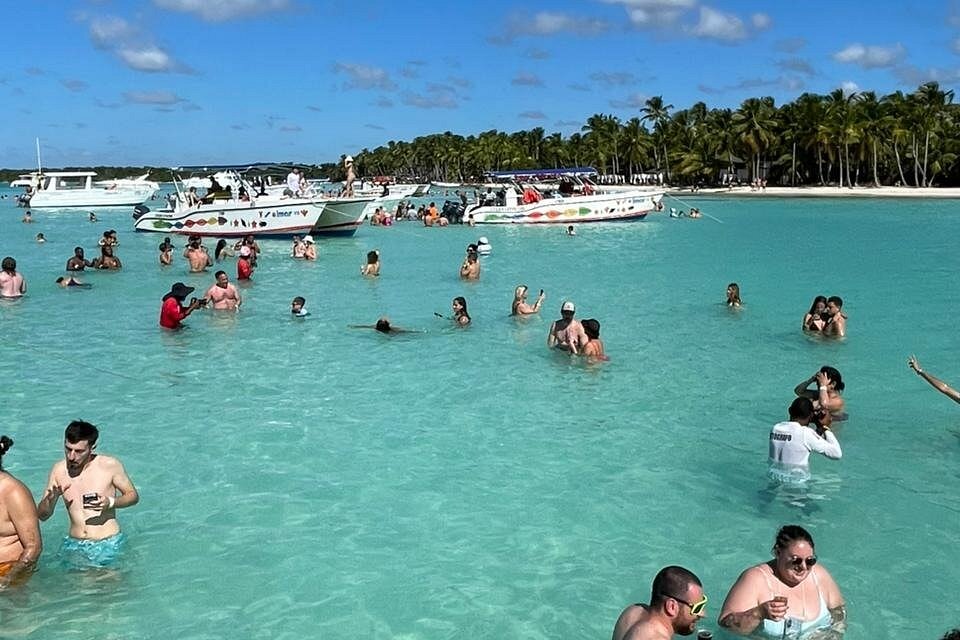
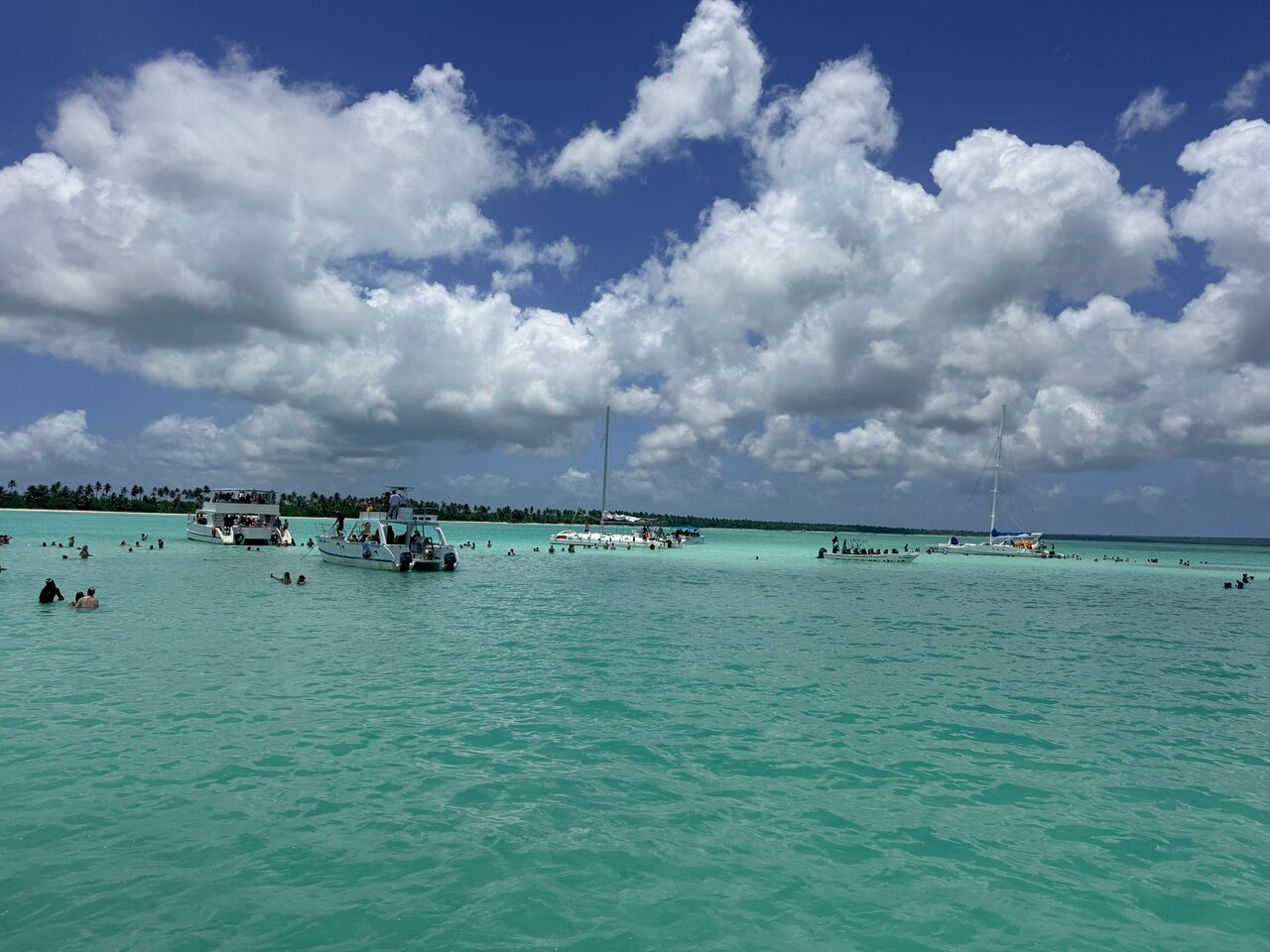
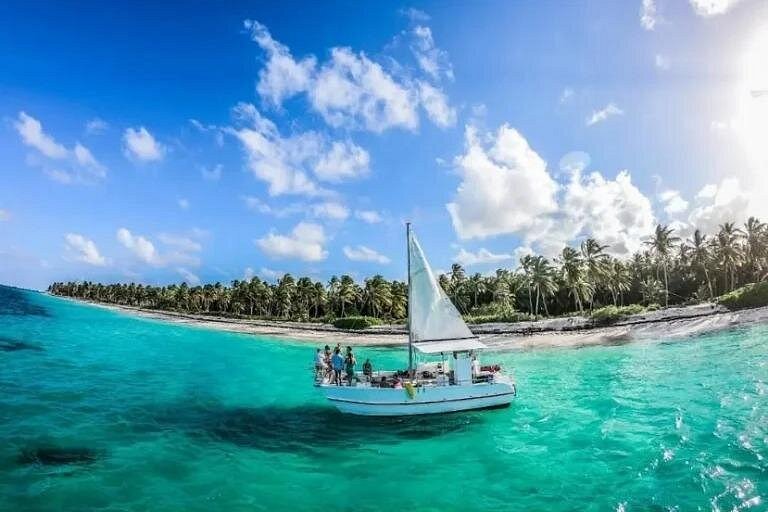
Saona Island is famous for its white-sand beaches, clear Caribbean water, palm trees, and beautiful coastal scenery. These landscapes are a major attraction for visitors exploring the Dominican Republic. However, like many tropical islands, its beaches and shorelines are part of a constantly changing natural environment.
One important process behind these changes is coastal erosion.
Coastal erosion happens when waves, currents, wind, and other natural forces remove or move sediment from a shoreline. It can gradually change the shape of a beach, affect coastal vegetation, and influence the stability of certain shoreline areas.
For an island that attracts visitors through its natural beauty, understanding coastal erosion is important. It helps travelers recognize why beaches can change, why natural coastal habitats deserve protection, and how tourism activities can be planned more responsibly.
This guide explains coastal erosion, the factors that influence beach changes, possible environmental effects, and practical ways to support shoreline conservation during a Saona Island visit.
1. What Is Coastal Erosion?
Coastal erosion is the gradual removal of sediment, sand, or other material from a shoreline by natural processes.
Waves can move sand away from one part of a beach and deposit it somewhere else. Currents can transport sediment along the coast, while wind can carry dry sand inland or toward other coastal areas.
Erosion does not always mean that a beach is permanently disappearing. In many coastal environments, erosion and deposition happen together. A beach may lose sand during one period and regain some of it during another.
The balance between these processes helps determine the shape and condition of a shoreline.
For Saona Island, coastal erosion is an important subject to understand because beaches, dunes, coastal vegetation, and shallow marine environments are connected parts of the island's coastal system.
2. Why Do Caribbean Beaches Change?
Caribbean beaches are influenced by several natural forces. Their appearance can change over time, even without direct human activity.
Wave action
Waves continuously interact with the shoreline. Their energy can remove sand from a beach, move it offshore, or redistribute it along the coast.
Stronger wave conditions may cause greater sediment movement than calmer conditions.
Coastal currents
Water movement along the coast can transport sediment from one location to another. This process is often called longshore sediment transport.
When sediment is removed from one beach section and deposited elsewhere, the shoreline may develop different shapes and widths.
Wind
Wind can move dry beach sand, particularly in exposed coastal areas. It may transport sediment toward vegetation, dunes, or other parts of the coastal landscape.
Storms and strong weather systems
Storms can produce powerful waves and temporary changes in water levels. These conditions may move large amounts of sand and reshape the shoreline over a relatively short period.
Natural sediment supply
Beaches depend on the availability of sediment. Rivers, coastal habitats, nearby seabeds, and the movement of existing beach material can all influence sediment supply.
When sediment removal exceeds the amount being replaced over time, erosion may become more noticeable.
3. How Coastal Erosion Can Affect Saona Island Beaches
Coastal erosion can influence several features of an island shoreline.
However, the extent and location of erosion vary. Without site-specific measurements, it would not be accurate to claim that every beach on Saona Island is experiencing erosion or that a particular section is disappearing.
Possible shoreline changes include:
- Changes in beach width.
- Movement of the high-water mark.
- Exposure or burial of coastal roots.
- Changes in the shape of sandy areas.
- Localized loss of sand after energetic wave conditions.
- Shifts in the position of natural vegetation.
These changes may be temporary or long-term depending on the processes involved.
For visitors, this means that a beach may not look exactly the same throughout the year or from one visit to another.
4. The Relationship Between Coastal Vegetation and Beach Stability
Coastal vegetation plays an important role in many tropical shoreline environments.
Plants growing near the coast can help stabilize sediment, reduce wind-driven sand movement, and provide habitat for wildlife.
How vegetation supports coastal areas
Root systems: Plant roots can help hold soil and sediment together.
Surface protection: Vegetation can reduce the direct impact of wind on exposed sand.
Habitat creation: Coastal plants provide shelter and resources for different organisms.
Natural landscape structure: Vegetated coastal areas can form part of a wider system that helps maintain shoreline conditions.
Removing or damaging vegetation may weaken these natural functions.
Visitors should therefore avoid walking through planted dune areas, pulling out coastal plants, or damaging roots to create a more convenient path.
5. Mangroves and Their Role in Coastal Protection
Mangroves are important coastal ecosystems in tropical and subtropical regions. Their roots create complex habitats and interact with water and sediment.
Mangrove environments can help reduce wave energy under suitable conditions, trap sediment, and support coastal biodiversity.
Their benefits depend on local conditions, including forest structure, water depth, coastal shape, and the strength of incoming waves.
Saona Island is associated with coastal and mangrove ecosystems, making mangrove conservation an important part of understanding its wider environment.
Visitors should not enter restricted or sensitive mangrove areas without permission. Boat operators should also follow appropriate routes and avoid unnecessary disturbance to shallow-water habitats.
6. Human Activities That Can Increase Coastal Pressure
Coastal erosion is a natural process, but some human activities can disturb the systems that help maintain beaches.
Damage to coastal vegetation
Walking, cutting plants, or creating informal paths through sensitive vegetation can reduce natural protection.
Poorly planned construction
Structures placed too close to an active shoreline can interfere with natural sediment movement. In some circumstances, coastal structures may protect one location while contributing to erosion elsewhere.
Uncontrolled vehicle access
Vehicles driven over beaches or coastal vegetation can damage sensitive surfaces and disturb natural habitats.
Improper waste disposal
Litter and poorly managed waste can harm coastal ecosystems. Although plastic pollution is not the same process as erosion, environmental damage can place additional pressure on coastal habitats.
Excessive visitor concentration
High visitor numbers can create repeated pressure on narrow beach areas, vegetation, and access paths. Good visitor management helps reduce unnecessary disturbance.
7. Coastal Erosion and Sustainable Tourism
Tourism depends heavily on the quality of natural coastal environments. Beaches, mangroves, marine habitats, and scenic shorelines contribute to the attraction of Saona Island.
Sustainable tourism should therefore consider the long-term condition of these environments.
Tour operators can help by following approved access arrangements, respecting sensitive habitats, managing visitor movement, and providing clear environmental guidance.
Visitors can support these efforts by staying on appropriate paths, avoiding vegetation damage, and following instructions from local authorities and tour staff.
The objective is not to prevent every natural change in the shoreline. Instead, responsible coastal management aims to reduce avoidable human damage while allowing natural coastal processes to continue.
8. How Coastal Erosion Can Be Studied
Understanding coastal erosion requires more than looking at a beach on a single day.
Scientists and coastal planners use different methods to identify shoreline changes and understand the processes behind them.
Historical satellite images
Satellite imagery can help researchers compare shoreline positions across different dates.
This can reveal broad patterns of coastal change, although image quality, tides, seasonal conditions, and vegetation can affect comparisons.
GPS shoreline surveys
Researchers can record shoreline positions using GPS equipment and repeat measurements over time.
Beach profile surveys
A beach profile measures the shape and elevation of a beach along a selected line. Repeated surveys can help identify changes in beach width and elevation.
Aerial photography and drones
Where authorized, aerial imagery can provide detailed views of coastal features and help document changes.
Sediment analysis
Studying the size, composition, and distribution of beach sediment can help researchers understand how material moves along a shoreline.
Together, these methods provide a more reliable understanding than a single visual observation.
9. What Visitors Should Know Before Visiting Saona Island Beaches
Coastal conditions can change naturally. A beach that looks wide and open on one day may appear different after stronger wave activity or changing water levels.
Before visiting, consider these practical points:
- Follow the instructions of your tour operator.
- Use designated beach access routes.
- Avoid walking through sensitive vegetation.
- Do not dig into dunes or remove sand.
- Avoid placing equipment on fragile coastal plants.
- Respect temporary barriers and restricted areas.
- Keep waste with you until it can be disposed of properly.
If a section of beach is closed or marked as sensitive, do not cross the boundary simply to take photographs.
These small actions help protect the natural features that make Saona Island attractive.
10. Can Coastal Erosion Be Prevented?
Coastal erosion cannot always be prevented because it is part of the natural evolution of shorelines.
Waves, currents, wind, storms, and sediment movement will continue to shape beaches.
However, coastal management can reduce avoidable damage and improve the resilience of sensitive areas.
Possible approaches include:
Protecting natural vegetation: Maintaining coastal plants can help preserve sediment stability and habitat quality.
Restoring suitable habitats: In appropriate locations, restoration projects may help recover damaged coastal ecosystems.
Managing construction: Keeping unsuitable development away from active shorelines can reduce interference with natural coastal processes.
Controlling access: Clearly marked paths and managed visitor areas can reduce trampling and vegetation damage.
Monitoring changes: Regular surveys help identify areas that may need further assessment.
Not every coastal protection method is appropriate for every location. Any intervention on Saona Island should be based on local scientific assessment and the requirements of the relevant authorities.
11. Why Natural Shoreline Management Matters for Saona Island
The value of Saona Island is closely connected to its natural coastal environment.
Healthy beaches and coastal habitats contribute to biodiversity, scenery, recreation, and the wider ecological character of the island.
Poorly planned interventions may create new problems instead of solving existing ones. For example, a hard coastal structure can alter wave patterns or sediment movement and affect neighboring shoreline areas.
Natural approaches, including habitat conservation and careful visitor management, may be appropriate in some settings, but they still require professional assessment.
A long-term approach should consider the entire coastal system rather than focusing only on one visibly affected section of beach.
12. How Travelers Can Help Protect Saona Island's Coastline
Every visitor can contribute to responsible coastal tourism.
Here are practical actions to follow:
- Stay on designated paths and access routes.
- Avoid trampling coastal vegetation.
- Never remove sand, plants, or other natural materials.
- Do not drive vehicles across sensitive beach areas.
- Dispose of waste responsibly.
- Respect signs, barriers, and restricted areas.
- Choose tour providers that demonstrate respect for protected habitats.
- Follow local guidance when visiting mangrove or dune environments.
- Avoid disturbing wildlife and nesting areas.
- Share accurate environmental information rather than making unsupported claims about beach conditions.
Protecting a coastline is a shared responsibility involving communities, authorities, tourism operators, researchers, and visitors.
Frequently Asked Questions
1. What is coastal erosion on Saona Island?
Coastal erosion refers to the removal or movement of sand and other shoreline material through natural forces such as waves, currents, and wind. Its extent varies by location and over time.
2. Why do Saona Island beaches change shape?
Beaches change because waves, currents, wind, storms, and sediment supply continuously influence the movement of sand along the coast.
3. Is every beach on Saona Island experiencing erosion?
Not necessarily. Coastal conditions differ between locations. Site-specific surveys are needed to determine whether a particular beach is experiencing ongoing erosion.
4. Can mangroves help protect coastlines?
Yes. Mangroves can reduce wave energy in suitable conditions, trap sediment, and support coastal habitats. Their effectiveness depends on local environmental conditions.
5. Does tourism cause coastal erosion?
Tourism is not the only cause of erosion, but poorly managed construction, vegetation damage, and uncontrolled access can increase pressure on sensitive coastal environments.
6. Can beach erosion be reversed?
Some beaches naturally recover sediment through deposition. In other situations, restoration or management may be necessary. The appropriate response depends on the location and cause of erosion.
7. How do scientists monitor coastal erosion?
They may use satellite images, GPS surveys, beach profile measurements, aerial photography, and sediment analysis to monitor shoreline changes.
8. Should visitors walk on coastal vegetation?
No. Visitors should use designated access routes and avoid damaging vegetation because plants can help stabilize coastal sediment and support wildlife.
9. Are seawalls always the best solution to beach erosion?
No. Seawalls and other hard structures can have unintended effects on sediment movement and neighboring beaches. Coastal protection decisions require local engineering and environmental assessment.
10. How can tourists help protect Saona Island's beaches?
Visitors can stay on marked paths, avoid removing natural materials, protect vegetation, dispose of waste responsibly, and follow local conservation guidance.
Conclusion
Coastal erosion is a natural process that continuously shapes the beaches and shorelines of tropical islands. Waves, currents, wind, storms, vegetation, and sediment supply all influence how a coastline changes.
For Saona Island, understanding these processes helps visitors appreciate that its beaches are living natural systems rather than fixed landscapes.
Responsible tourism, protection of coastal vegetation, careful access management, and appropriate scientific monitoring can help reduce avoidable environmental pressure.
When visiting Saona Island, enjoy its beaches while respecting the natural processes and habitats that make the island special. Protecting the coastline today helps preserve its environmental value for future generations.
Local explorer & expert guide in Reservando Aventuras.