Best Samaná Cruise Excursions for Your Day in Port
Samaná is one of the most distinctive cruise destinations in the Dominican Republic. Located on the northeastern coast of the country, the Samaná Peninsula is famous for its tropical landscapes, coastal communities, green mountains, and beautiful bay.
For cruise visitors, Santa Bárbara de Samaná provides an introduction to the region's history, culture, and natural environment. Even during a relatively short port visit, the town offers interesting places to discover, including its waterfront promenade, historic wooden church, local market, and whale museum.
This guide explores some of the most interesting cultural and sightseeing experiences to include in a Samaná cruise destination guide for 2026.
1. Discover Santa Bárbara de Samaná
Santa Bárbara de Samaná is the principal town of the Samaná Peninsula and an important center of local culture.
The town sits beside Samaná Bay, surrounded by green hills and coastal scenery. Its waterfront combines traditional Dominican architecture, small businesses, public spaces, and views of the surrounding landscape.
Unlike large Caribbean cruise destinations dominated by shopping complexes, Samaná has a more relaxed small-town atmosphere.
Visitors interested in local history, architecture, and everyday Dominican life will find plenty to explore through its public cultural areas.
2. Explore the Samaná Malecón
The Malecón is one of the most recognizable parts of Santa Bárbara de Samaná.
This waterfront promenade follows Avenida de la Marina and provides views across Samaná Bay. Visitors can appreciate the boats, nearby islands, coastal hills, and the distinctive Samaná Bridge.
The promenade is an important public space where local life and tourism come together.
It is also an attractive location for photography, particularly when the surrounding mountains and bay are visible in the background.
For visitors interested in understanding the town, the Malecón provides a good introduction to its geography and waterfront character.
3. Visit the Museo de las Ballenas
The Whale Museum, known in Spanish as Museo de las Ballenas, is one of Samaná's most distinctive cultural attractions.
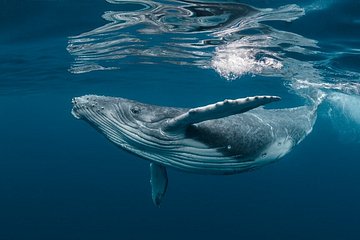
The museum introduces visitors to the humpback whales that migrate to Samaná Bay during the winter breeding season.
One of its most recognizable features is a large whale skeleton, which helps visitors understand the size and anatomy of these marine mammals.
Educational displays introduce subjects such as whale behavior, communication, reproduction, and conservation.
The museum is particularly relevant because Samaná Bay is internationally recognized as an important seasonal habitat for humpback whales.
Visitors interested in marine biology and wildlife conservation may find this attraction especially informative.
Current opening arrangements should be checked independently before visiting.
4. Discover La Churcha (St. Peter's Church)
La Churcha, also called St. Peter's Church, is an important historical landmark in Santa Bárbara de Samaná.
The wooden church has a distinctive architectural appearance and a special connection with the region's African American community.
During the nineteenth century, African American settlers arrived in Samaná and contributed to the area's cultural and religious development.
La Churcha reflects part of this history and remains an important symbol of the town's heritage.
Its architectural character also makes it an interesting subject for visitors interested in historical buildings and Caribbean cultural history.
Visitors should respect the church's religious function and follow any restrictions on photography or entry.
5. Discover Pueblo Príncipe
Pueblo Príncipe is a recognizable area near the Samaná waterfront.
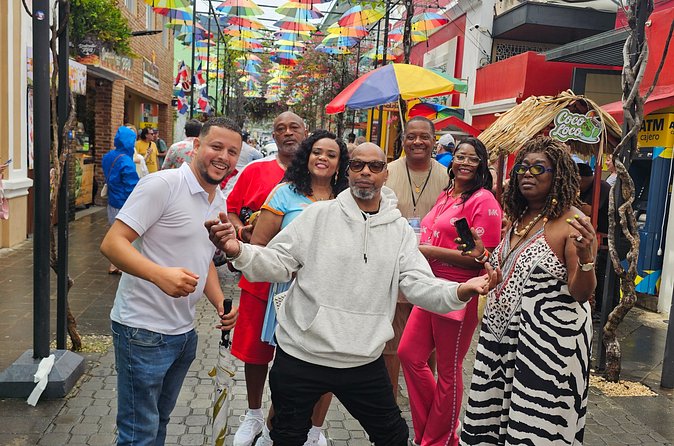
Its colorful facades and Victorian-inspired architectural details create a distinctive appearance compared with many other Dominican coastal towns.
The buildings contribute to the town's character and provide an interesting setting for photography and cultural exploration.
For cruise visitors interested in architecture, local history, and the atmosphere of Santa Bárbara de Samaná, this area is worth learning about.
6. Experience the Samaná Public Market
A local market can provide a different perspective on a destination than a conventional tourist attraction.
The Samaná Public Market, or Mercado Público de Samaná, is associated with everyday community life.
Visitors can learn about local produce, regional ingredients, and the products commonly found in Dominican markets.
Tropical fruits, vegetables, and other fresh goods reflect the agricultural diversity of the peninsula.
The market also offers an opportunity to understand the importance of food and local commerce in Samaná.
When visiting, respect vendors, ask before photographing people or their products, and follow local market etiquette.
7. Learn About Samaná's Local Food Culture
Food is an important part of the Samaná experience.
The region is especially associated with seafood and coconut-based cooking, reflecting its coastal geography and culinary traditions.
Pescado con Coco
Pescado con coco, or fish with coconut, is one of the best-known dishes associated with Samaná.
It combines fish with a coconut-based preparation and reflects the region's distinctive food heritage.
Fresh Seafood
Fish and seafood are familiar features of the local culinary scene.
Different establishments prepare seafood in different ways, often using traditional Dominican ingredients.
Dominican Side Dishes
Rice, plantains, vegetables, and other traditional ingredients commonly accompany Dominican meals.
Discovering local food provides a useful introduction to the region's culture and everyday lifestyle.
8. Understand Samaná's Whale-Watching Heritage
Samaná Bay is famous for its seasonal humpback whale migration.
During the winter months, humpback whales visit the bay as part of their annual reproductive cycle.
The migration is an important part of Samaná's identity and contributes to the region's international reputation as a marine wildlife destination.
The whale season generally runs from mid-January through late March, although actual wildlife presence varies naturally.
For visitors who cannot visit during this period, the Whale Museum offers an educational way to learn about the animals and their conservation.
Responsible wildlife tourism is important. Visitors should respect protected areas and applicable marine wildlife regulations.
9. Discover the History and Culture of the Samaná Peninsula
Samaná has a distinctive cultural background shaped by several historical influences.
The region's history includes Indigenous Taíno heritage, Spanish colonial history, and the settlement of African American families during the nineteenth century.
These influences can be seen in local architecture, religious traditions, language, cuisine, and community identity.
The town of Santa Bárbara de Samaná is an interesting place to begin learning about this history.
Its churches, waterfront, public market, and traditional buildings provide a sense of the peninsula's cultural development.
10. What Should Cruise Visitors Know About a Port Day?
Cruise visits involve fixed ship schedules and port procedures. Visitors should pay attention to the cruise line's official instructions and any local guidance.
Samaná's arrival arrangements may differ between cruise calls. Some ships use offshore anchoring and tender transfers, while port facilities and operating arrangements can change.
Before planning any independent sightseeing, passengers should understand their ship's arrival procedures and the time by which they must return.
Other important considerations include:
- Check current opening information for cultural attractions.
- Respect local customs and religious buildings.
- Keep personal belongings secure in busy public areas.
- Follow official port instructions.
- Allow sufficient time for the ship's return procedures.
- Remain with a responsible adult when traveling with children or teenagers.
A simple cultural visit can be a rewarding way to experience Samaná without trying to fit too many activities into one port call.
11. Why Samaná Is Different from Other Caribbean Cruise Destinations
Samaná offers a different atmosphere from destinations built primarily around large cruise terminals and commercial attractions.
Its identity is strongly connected to nature, local communities, traditional food, and regional history.
The town's waterfront provides views of the bay, while the surrounding peninsula is known for tropical vegetation and distinctive coastal landscapes.
The presence of the Whale Museum and historic La Churcha also gives visitors opportunities to discover subjects that go beyond conventional beach tourism.
For travelers interested in authentic cultural experiences, Samaná provides an interesting perspective on the Dominican Republic.
Frequently Asked Questions
1. Where is the Samaná cruise port?
Samaná's cruise destination is associated with Santa Bárbara de Samaná, on the northeastern coast of the Dominican Republic.
2. What can visitors see in Santa Bárbara de Samaná?
Notable cultural and sightseeing attractions include the Malecón, Museo de las Ballenas, La Churcha, Pueblo Príncipe, and the Samaná Public Market.
3. What is the most famous cultural attraction in Samaná?
The Whale Museum is one of the town's best-known educational attractions. La Churcha is another important landmark because of its historical and cultural significance.
4. When is whale season in Samaná?
Humpback whales generally visit Samaná Bay between mid-January and late March.
5. What is Samaná famous for?
Samaná is known for its tropical scenery, Samaná Bay, humpback whale migration, local seafood, coconut-based cuisine, and cultural heritage.
6. What is La Churcha?
La Churcha, also known as St. Peter's Church, is a historic wooden church in Santa Bárbara de Samaná with strong connections to the area's African American community.
7. What food should visitors learn about in Samaná?
Pescado con coco is one of the region's best-known traditional dishes. Fresh seafood and Dominican side dishes are also important parts of local cuisine.
8. Can visitors explore Samaná without visiting beaches?
Yes. The town has cultural landmarks, a waterfront promenade, a public market, and educational attractions that offer an alternative to beach-focused sightseeing.
Final Thoughts
Samaná is an interesting Caribbean cruise destination because it combines beautiful natural surroundings with a distinctive local culture.
Santa Bárbara de Samaná offers several cultural attractions that introduce visitors to the region's history and everyday life. The Malecón, Whale Museum, La Churcha, Pueblo Príncipe, and public market are particularly useful subjects for a cruise destination guide.
For visitors researching the best Samaná cruise excursions in 2026, these town-based experiences provide a meaningful introduction to the Dominican Republic's northeastern peninsula.
Rather than focusing only on famous scenery, taking time to understand Samaná's history, food, architecture, and marine conservation heritage can make a port visit more culturally rewarding.

Local explorer & expert guide in Reservando Aventuras.