27 Charcos de Damajagua: The 27 Waterfalls of Puerto Plata (2026 Guide)
Introduction
The Dominican Republic is famous for its Caribbean beaches, tropical forests and beautiful coastal landscapes. However, beyond the beaches of Puerto Plata lies another remarkable natural attraction: 27 Charcos de Damajagua, commonly known as the 27 Waterfalls of Damajagua.
Located in the municipality of Imbert, in Puerto Plata Province, this natural attraction is recognised for its series of waterfalls, freshwater pools, limestone formations and surrounding tropical vegetation.
The Damajagua River has shaped the landscape over time, creating a remarkable collection of natural pools and cascading water. These formations are among the most recognisable natural features of northern Dominican Republic.
The area is also known as the Saltos de la Damajagua Natural Monument. Its landscape and ecological importance make it an interesting destination for travellers researching the country's natural heritage.
This 2026 guide introduces the geography, geology, natural environment and local significance of the 27 Charcos de Damajagua, together with important visitor-safety and conservation considerations.
1. What Are the 27 Charcos de Damajagua?
The 27 Charcos de Damajagua are a collection of waterfalls and natural freshwater pools formed along the Damajagua River.
The attraction is located in Imbert, within Puerto Plata Province, in the northern Dominican Republic.
The name translates approximately to "27 Waterfalls of Damajagua." The number refers to the series of natural water formations associated with the river.
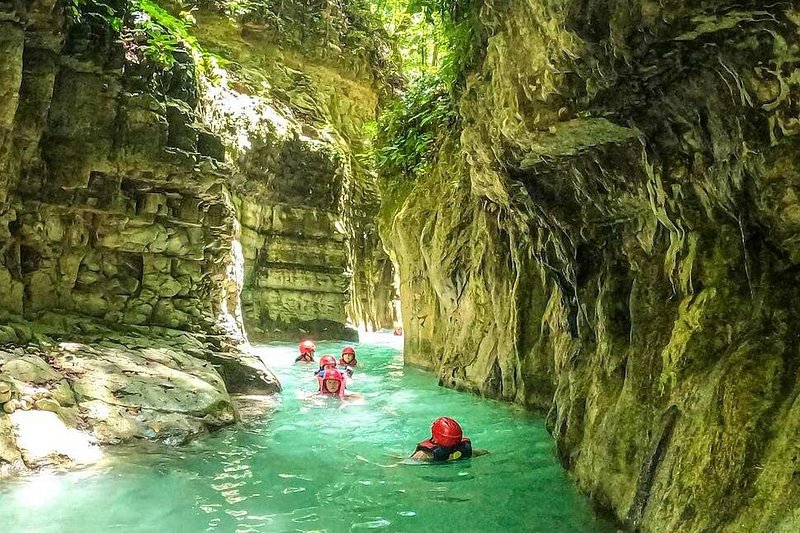
The landscape is particularly distinctive because the waterfalls are surrounded by rocky walls, tropical vegetation and naturally formed pools.
A Natural Waterfall System
The Damajagua River flows through a landscape of rock formations and forested terrain.
Over time, flowing water has contributed to the formation of pools, cascades and smooth rock surfaces.
The result is a natural environment that looks very different from the sandy beaches commonly associated with the Dominican Republic.
Why Is It Famous?
Damajagua is recognised for several natural characteristics:
- A series of 27 waterfalls and pools.
- Clear freshwater in naturally formed basins.
- Limestone and other rock formations.
- Tropical vegetation.
- A river corridor surrounded by green scenery.
- Its status as a recognised natural attraction.
The combination of these features has made Damajagua one of Puerto Plata Province's best-known natural landmarks.
2. Where Is Damajagua Located?
The 27 Charcos de Damajagua are located in the municipality of Imbert, Puerto Plata Province, in the northern part of the Dominican Republic.
Imbert is an inland municipality associated with the wider Puerto Plata region.
The natural monument lies within a landscape of rivers, hills and tropical vegetation, providing a different experience from the province's coastal tourism areas.
Understanding the Location
Puerto Plata is one of the Dominican Republic's most recognised northern destinations.
The province includes coastal towns, beaches, historical landmarks, mountain landscapes and protected natural areas.
Damajagua adds another dimension to this regional geography because it is associated with a freshwater river environment rather than a coastal setting.
Damajagua and Imbert
Imbert is important to the identity of the attraction because the natural monument is located within its municipal area.
The surrounding community is also connected to the area's tourism and conservation activities.
3. The Natural Beauty of the 27 Waterfalls
The main attraction of Damajagua is its distinctive natural landscape.
The waterfalls are not simply individual streams of falling water. They form part of a connected river environment featuring pools, rock formations and sections of dense vegetation.
Freshwater Pools
The natural pools are among the most visually recognisable features of Damajagua.
Their appearance varies according to water conditions, light, rainfall and the surrounding rock.
Some pools have turquoise or greenish tones, while others appear darker depending on depth, shadows and the natural environment.
Cascading Water
Water flowing over rocky surfaces creates the waterfalls and smaller cascades associated with the attraction.
The sound of moving water contributes to the atmosphere of the forested landscape.
Rocky Formations
The rock formations surrounding the river help give Damajagua its distinctive appearance.
Water erosion has gradually shaped parts of the river corridor, creating different natural forms and surfaces.
Tropical Vegetation
Green vegetation surrounds much of the natural environment.
The combination of freshwater, rock and forest creates a landscape that contrasts strongly with the open beaches and coastal scenery of Puerto Plata.
4. How Were the Damajagua Waterfalls Formed?
The geological appearance of Damajagua is closely connected to the long-term interaction between water and rock.
Rivers constantly influence their surrounding landscapes. Over extended periods, flowing water can contribute to erosion, the movement of sediment and the formation of natural basins.
Water Erosion
Water erosion is one of the processes responsible for shaping river landscapes.
As water flows through a river channel, it interacts with the rock surface and gradually influences its shape.
The process can create:
- Small natural basins.
- Uneven rock surfaces.
- Water channels.
- Cascading sections.
- Distinctive river formations.
Natural Pools and Rock Basins
Some sections of the Damajagua River contain pools surrounded by rock formations.
These features are part of the river's natural landscape rather than artificial swimming facilities.
Their appearance can change over time due to natural processes and changing river conditions.
A Landscape Shaped by Nature
Damajagua demonstrates how rivers influence the appearance of tropical landscapes.
Its waterfalls and pools are part of a wider natural system that depends on rainfall, water movement, surrounding vegetation and geological conditions.
5. The Tropical Forest Environment
The natural environment surrounding Damajagua is another important part of its identity.
The river is associated with tropical vegetation and forested terrain, providing habitat for different plants and wildlife.
Vegetation
The surrounding forest contributes to the area's green appearance.
Tropical vegetation helps provide shade, stabilise soil and support the ecological balance of the landscape.
Trees, shrubs, vines and other plant life form part of the natural environment.
Wildlife
Tropical forest environments can support birds, insects, reptiles and other wildlife.
However, individual animal sightings are not guaranteed.
Visitors should observe wildlife from a respectful distance and avoid feeding, touching or disturbing animals.
Why Forest Conservation Matters
Forest vegetation plays an important role in protecting river environments.
It can help reduce soil erosion, support biodiversity and contribute to the natural water cycle.
Protecting the surrounding forest is therefore important for maintaining the ecological character of Damajagua.
6. Damajagua as a Protected Natural Monument
The Saltos de la Damajagua area is recognised as a Natural Monument in the Dominican Republic's protected-area system.
This designation reflects the importance of protecting its natural features and surrounding environment.
What Is a Natural Monument?
A Natural Monument is a protected area established to conserve distinctive natural features.
These may include geological formations, waterfalls, caves, unique landscapes or other important natural elements.
Why Protection Is Important
Protected-area management can help address several environmental concerns:
- Damage to natural rock formations.
- Pollution of freshwater.
- Disturbance to wildlife.
- Deforestation.
- Uncontrolled visitor pressure.
- Soil erosion.
Conservation and Tourism
Tourism can provide economic opportunities for surrounding communities.
However, visitor activity must be managed responsibly to avoid damaging the natural environment.
Protecting the river and surrounding forest helps preserve the landscape for future generations.
7. Local Communities and the Importance of Damajagua
Damajagua is not only a natural attraction. It is also connected to the communities of Puerto Plata Province.
Local residents have an important relationship with the surrounding environment and the tourism economy.
Community Involvement
The official Dominican Republic tourism information highlights the involvement of local guides and the contribution of park entrance fees to the surrounding community.
This connection demonstrates how natural attractions can create opportunities for local employment and community development.
Local Economic Benefits
Tourism associated with natural attractions can support:
- Local employment.
- Visitor services.
- Transportation businesses.
- Food services.
- Community tourism initiatives.
- Conservation-related work.
Responsible Tourism
Visitors can contribute positively by respecting local communities, following environmental rules and avoiding littering.
Responsible tourism helps balance economic benefits with the need to protect the natural landscape.
8. Understanding the Visitor Experience and Safety
Damajagua is widely associated with adventure tourism because its natural landscape includes waterfalls, rock formations and freshwater pools.
However, the environment is not equivalent to an ordinary public swimming pool or a controlled theme-park attraction.
Natural river environments can involve changing water levels, slippery surfaces, uneven terrain and other hazards.
Natural Conditions Can Change
Rainfall can affect river flow and water conditions.
The appearance and accessibility of parts of the natural monument may therefore vary over time.
A photograph or video from an earlier visit should not be treated as evidence of current conditions.
Professional Management
The official Dominican Republic tourism website describes the attraction as operating with local guides and safety equipment.
This highlights the importance of professional oversight and established park rules.
Visitors should respect restrictions, closures and safety decisions made by responsible authorities.
Important Safety Considerations
- Follow official visitor rules.
- Respect restricted areas.
- Do not enter closed sections of the river.
- Avoid treating natural rock formations as recreational equipment.
- Pay attention to changing weather conditions.
- Respect all age and participation restrictions.
- Do not attempt hazardous activities independently.
For younger visitors, a parent or responsible adult should help evaluate whether any proposed visit is appropriate.
This article is intended as a destination and nature guide, not instructions for participating in waterfall jumps, slides or other potentially hazardous activities.
9. Damajagua Compared with Puerto Plata's Coastal Attractions
Puerto Plata offers a wide range of natural and cultural attractions.
Damajagua is different because its main appeal comes from a freshwater river environment rather than a coastal landscape.
DestinationMain CharacteristicEnvironment27 Charcos de DamajaguaWaterfalls and natural poolsRiver and tropical forestPlaya DoradaSandy beach and coastal tourismAtlantic coastlineSosúa BeachBeach scenery and local businessesCoastal environmentPlaya CofresíCoastal scenery and nearby resortsAtlantic coastlineLoma Isabel de TorresMountain scenery and vegetationMountain environment
These destinations demonstrate the geographical diversity of Puerto Plata Province.
Travellers interested in nature can learn about different ecosystems without assuming that every natural attraction involves the same kind of visitor activity.
10. Best Time of Year to Learn About Damajagua
The Dominican Republic has a tropical climate, with regional variations in rainfall and temperature.
Conditions around Damajagua are influenced by precipitation and river flow.
Drier Periods
The generally drier months can offer different landscape conditions, including variations in water flow and visibility.
However, dry-season weather does not guarantee that every part of the natural monument will be accessible or suitable for visitors.
Wetter Periods
Rainfall contributes to the natural water system and influences the appearance of the waterfalls.
Heavy rainfall can also create conditions that require restrictions or temporary closures.
Why Current Information Matters
There is no single seasonal description that can guarantee conditions at the river.
Visitors should rely on current information from the responsible park authorities rather than historical photographs or general seasonal averages.
11. Responsible Tourism and Environmental Protection
The natural beauty of Damajagua depends on a healthy river and surrounding forest.
Protecting the area requires responsible behaviour from visitors and effective environmental management.
Protecting Freshwater
Freshwater environments can be affected by waste, pollution and inappropriate visitor behaviour.
Visitors should never leave rubbish in or around the river.
Respecting Wildlife
Wildlife is part of the natural ecosystem.
Feeding animals, disturbing habitats or removing natural objects can negatively affect the environment.
Protecting Vegetation
Forest vegetation contributes to soil stability and biodiversity.
Visitors should respect marked paths and avoid damaging plants or trees.
Supporting Local Communities
Responsible tourism can help distribute economic benefits to nearby residents.
Respecting local workers, community traditions and environmental regulations contributes to a positive visitor experience.
12. Safer Nature and Sightseeing Alternatives in Puerto Plata
Visitors interested in Puerto Plata's natural environment can explore several attractions that do not require participating in hazardous waterfall activities.
Parque Central Independencia
Located in the historic centre of Puerto Plata, Parque Central Independencia is surrounded by important architecture and local businesses.
It provides an opportunity to appreciate the city's everyday atmosphere.
Fortaleza San Felipe
Fortaleza San Felipe is a historic fort overlooking the Atlantic coastline.
It is one of Puerto Plata's best-known cultural landmarks and offers an opportunity to learn about the region's colonial history.
Malecón de Puerto Plata
The Malecón is the city's waterfront promenade.
Visitors can appreciate the coastal landscape, enjoy the sea views and explore the surrounding public spaces.
Museo del Ámbar Dominicano
The Dominican Amber Museum introduces visitors to the country's amber heritage.
It is an interesting cultural attraction for people interested in geology, natural history and local craftsmanship.
These alternatives provide different ways to appreciate Puerto Plata's culture, history and natural scenery.
13. Frequently Asked Questions
What are the 27 Charcos de Damajagua?
They are a collection of natural waterfalls and freshwater pools along the Damajagua River in Imbert, Puerto Plata Province, Dominican Republic.
Where are the 27 Waterfalls located?
The attraction is located in the municipality of Imbert in Puerto Plata Province, in northern Dominican Republic.
Why are they called 27 Charcos?
The name refers to the series of waterfalls and natural pools associated with the Damajagua River.
Are the waterfalls natural?
Yes. They are natural river formations shaped over time by flowing water and geological processes.
Is Damajagua a protected area?
Yes. The Saltos de la Damajagua area is recognised as a Natural Monument in the Dominican Republic's protected-area system.
What makes Damajagua different from ordinary waterfalls?
Its distinctive combination of multiple waterfalls, natural pools, rocky formations and surrounding tropical vegetation gives it a recognisable landscape.
Does rainfall affect the waterfalls?
Yes. Rainfall influences river flow and water conditions. Heavy rain may result in restrictions or temporary closures.
Are there local communities connected to the attraction?
Yes. Local residents and guides are connected to the area's tourism activities, and official tourism information highlights community benefits from the attraction.
Is Damajagua suitable for every visitor?
No. The natural environment can involve physical demands and water-related hazards. Visitors should respect official restrictions and safety requirements.
Can visitors enjoy Puerto Plata without participating in waterfall activities?
Absolutely. Puerto Plata has historic landmarks, waterfront areas, museums, beaches and other sightseeing opportunities.
Conclusion
The 27 Charcos de Damajagua is one of the most distinctive natural attractions in northern Dominican Republic.
Its collection of waterfalls, freshwater pools, rocky formations and tropical vegetation makes it an important part of Puerto Plata Province's natural heritage.
Beyond its visual appeal, Damajagua also demonstrates the connection between protected landscapes, local communities and responsible tourism.
Understanding its geological features, ecological importance and changing natural conditions helps visitors appreciate why this area deserves protection.
For travellers researching Puerto Plata in 2026, Damajagua represents an important example of the Dominican Republic's freshwater landscapes and natural diversity.
Discover the natural heritage, culture and scenic beauty of Puerto Plata with GoBookingAdventures.com.

Local explorer & expert guide in Reservando Aventuras.